Ai Devices Online dealing with primary categories of IT hardware products include:
1. Compute & Core Systems
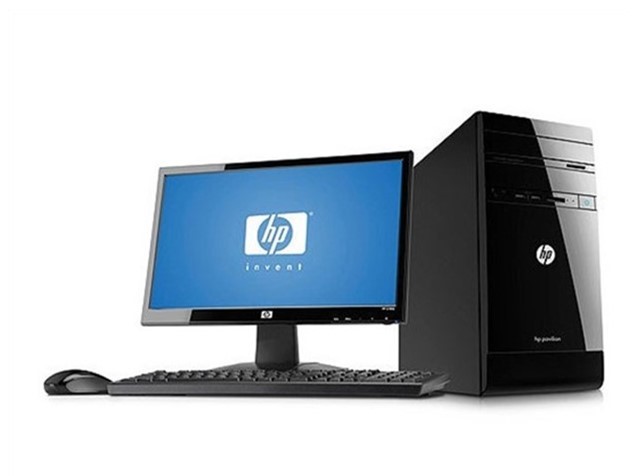
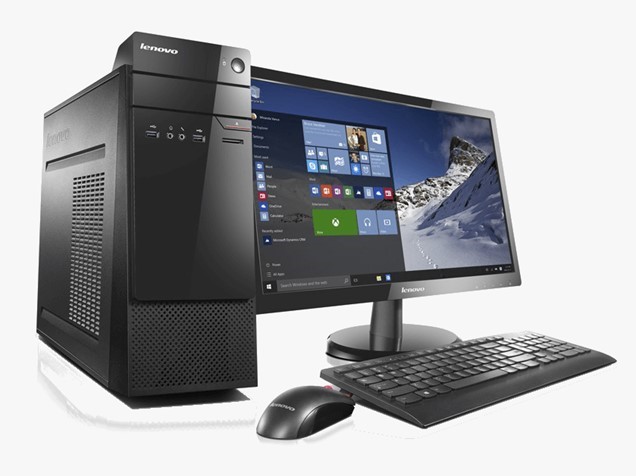
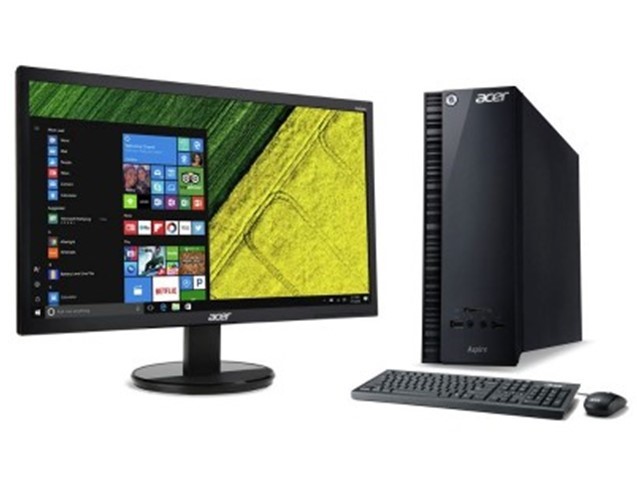
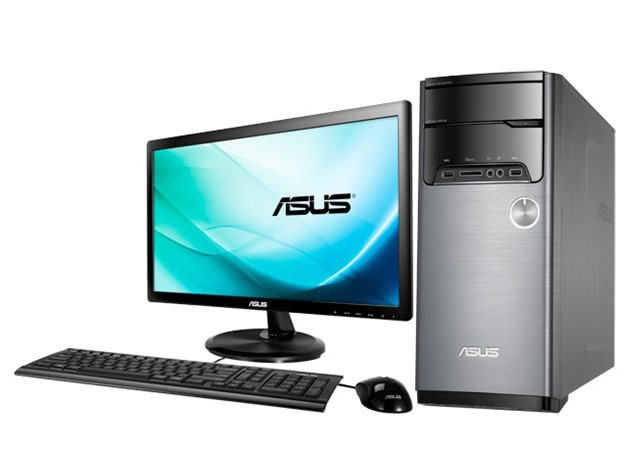
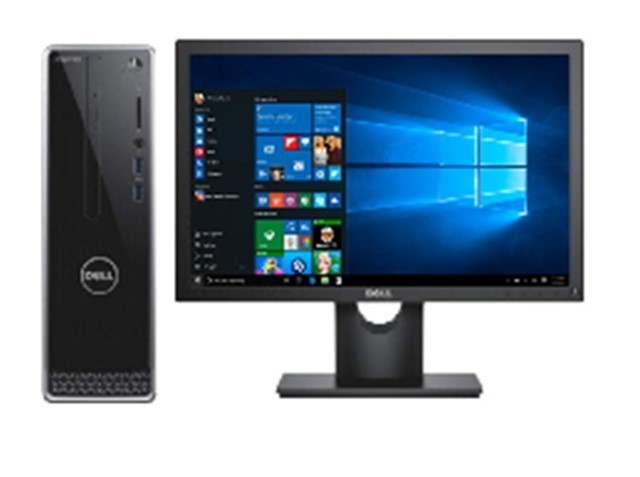
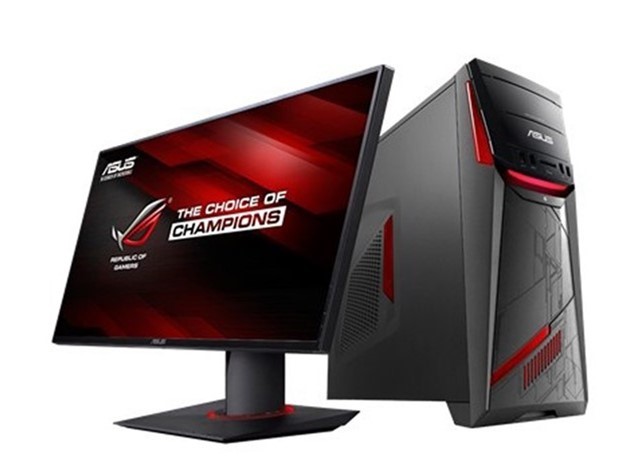
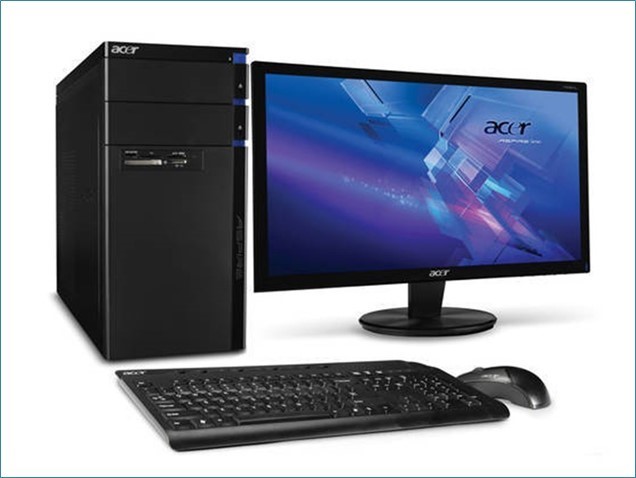
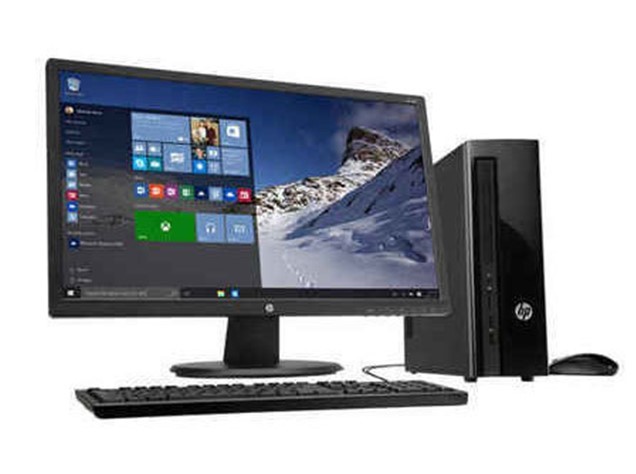
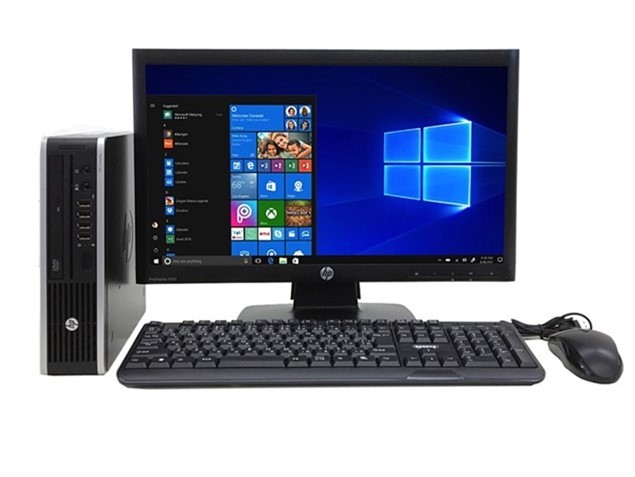
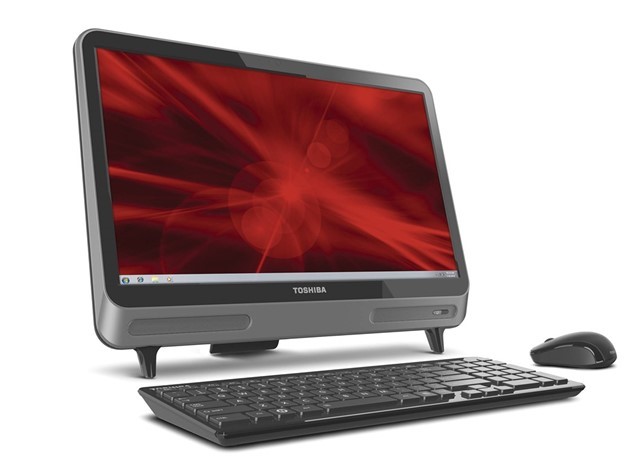
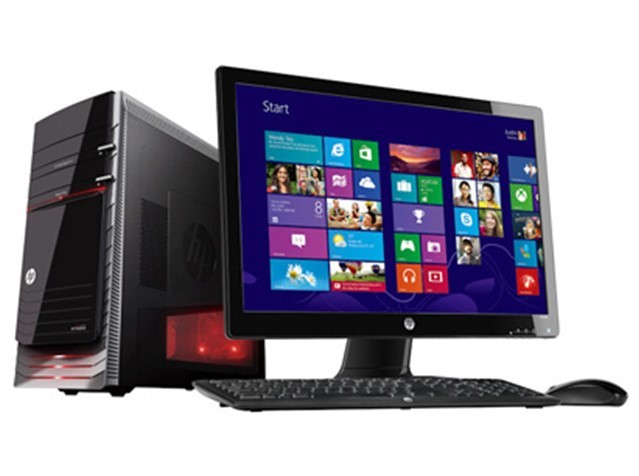
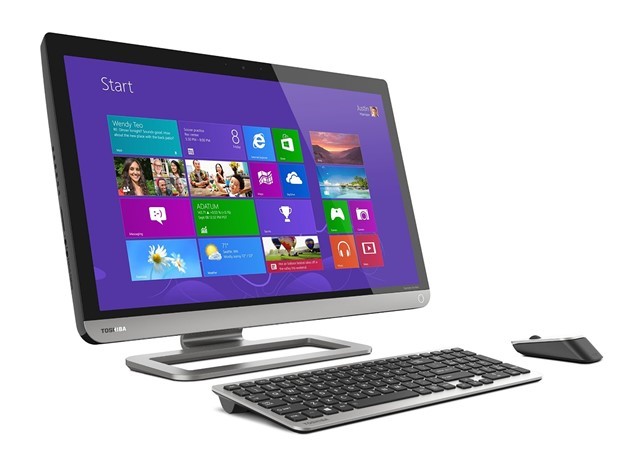
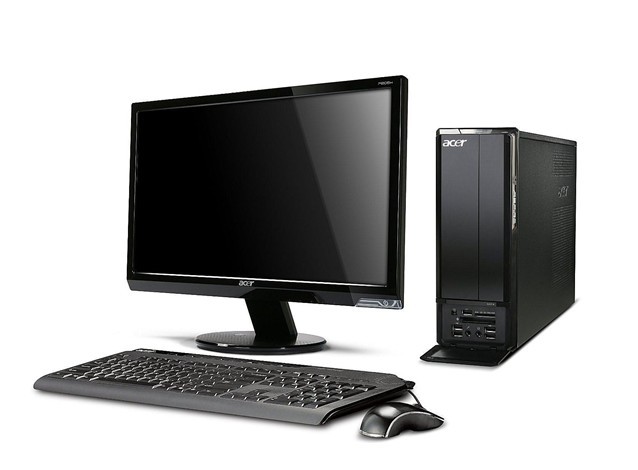
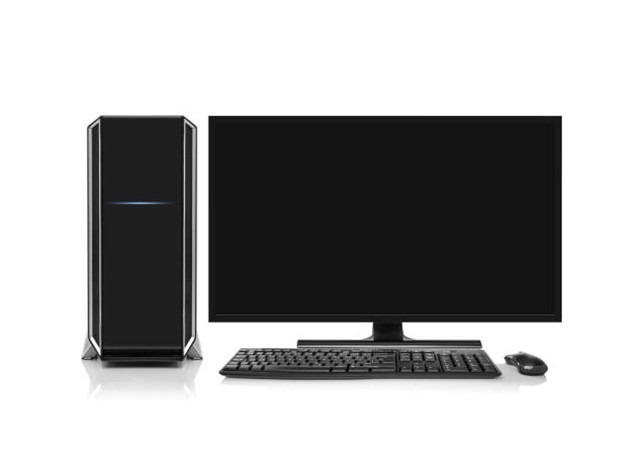
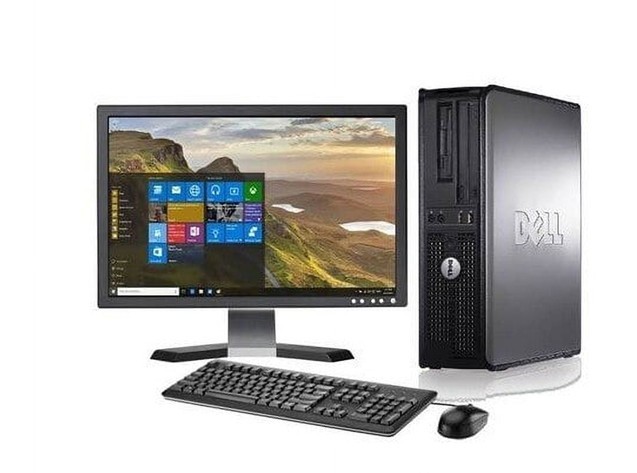
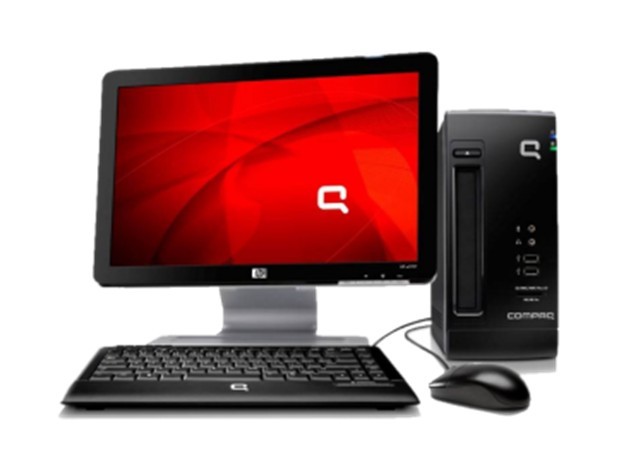
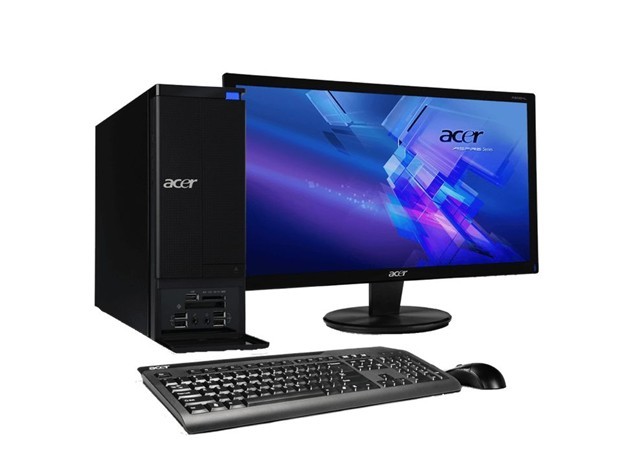
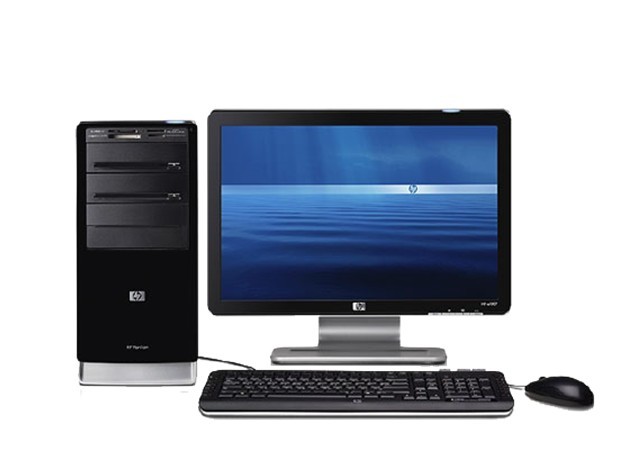
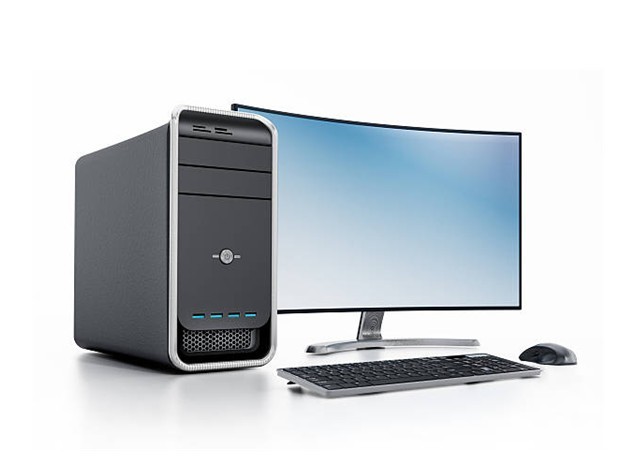
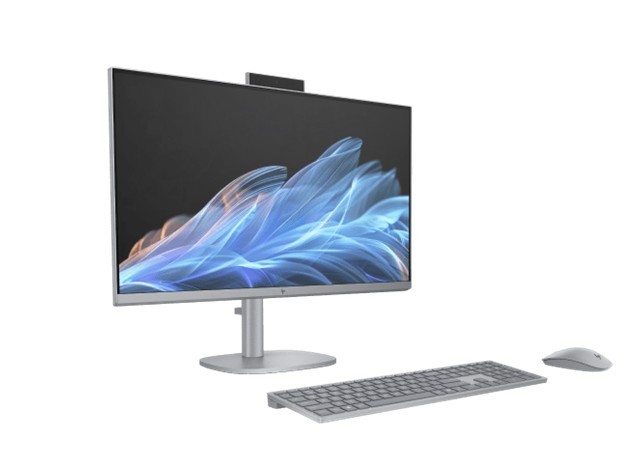
- Desktops & Workstations: Traditional tower PCs, all-in-one systems, and high-performance engineering stations.
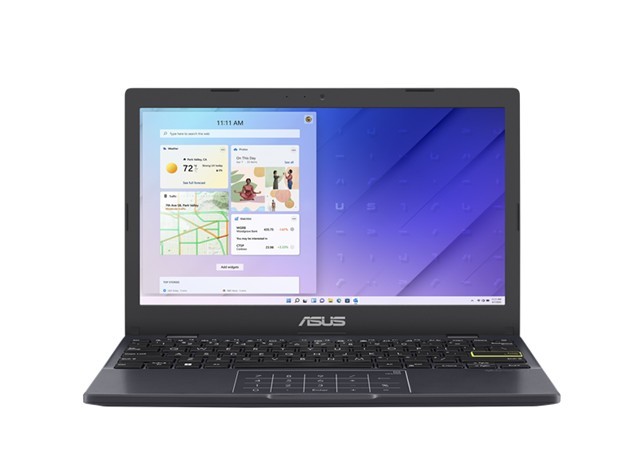
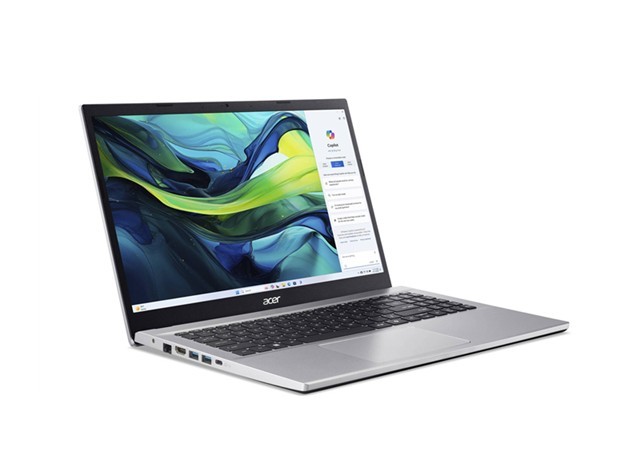
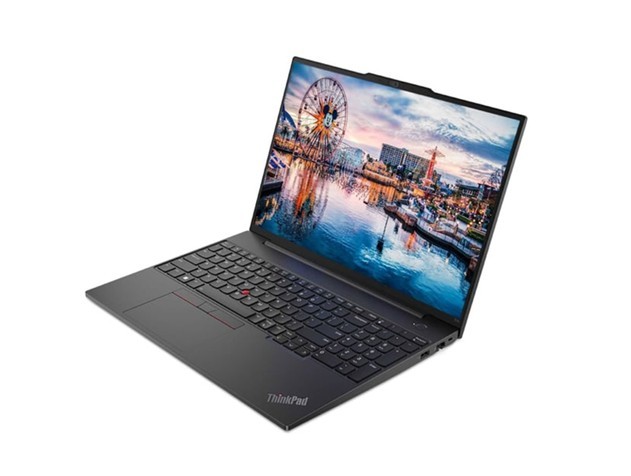
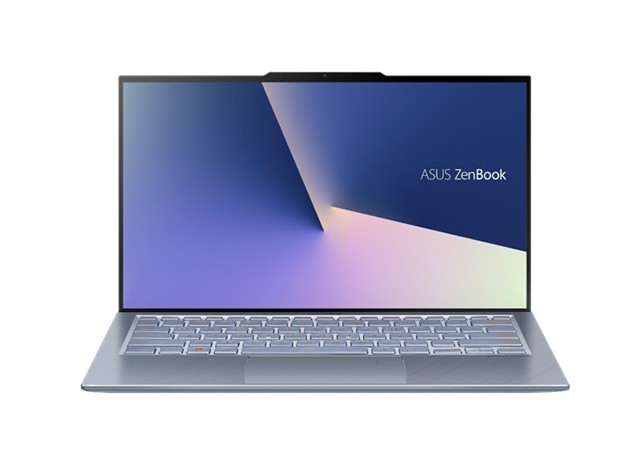
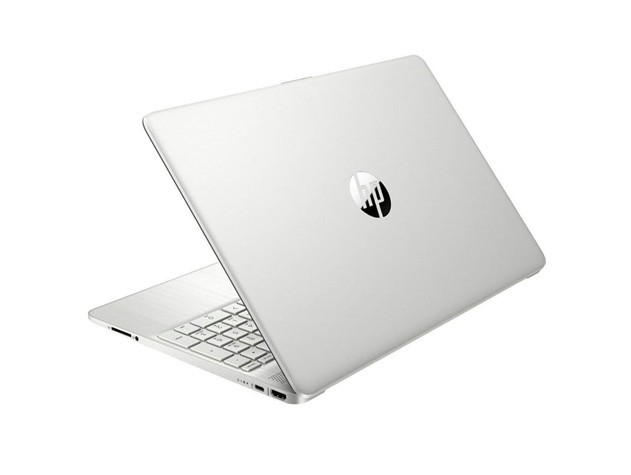
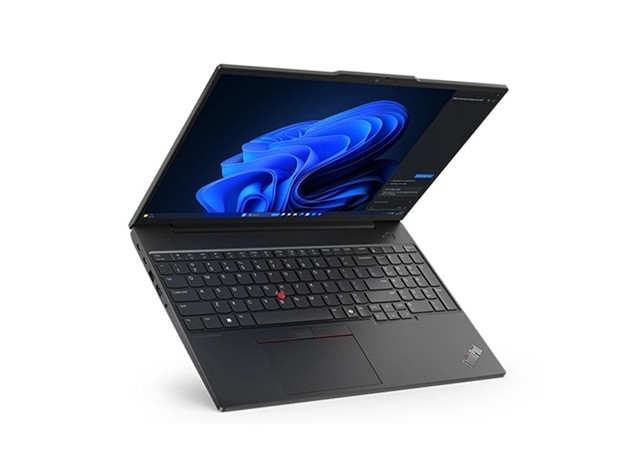
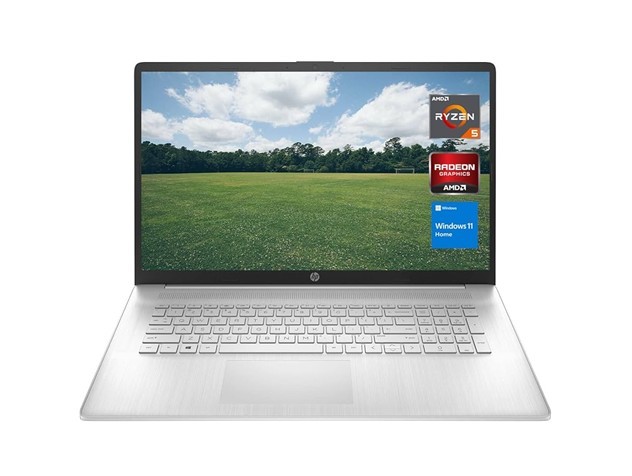
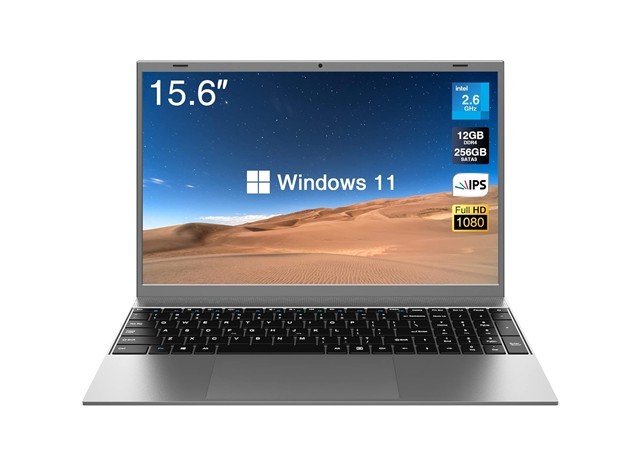
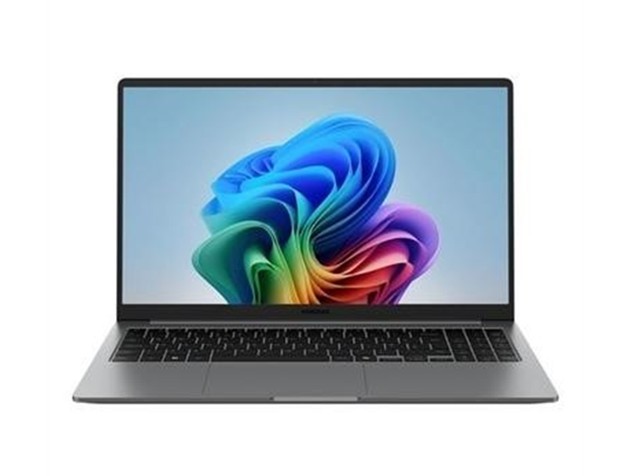
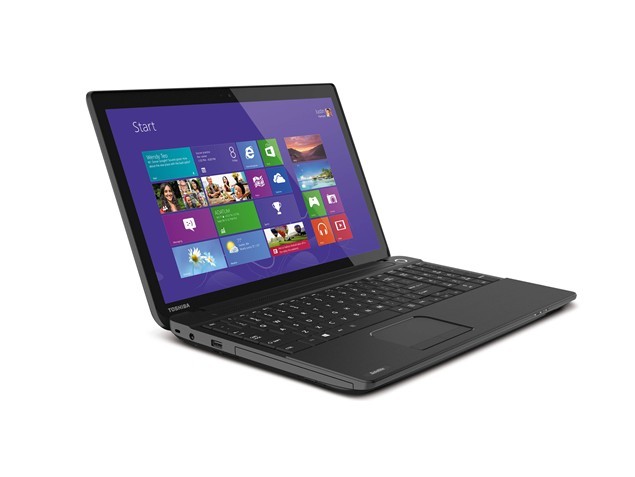
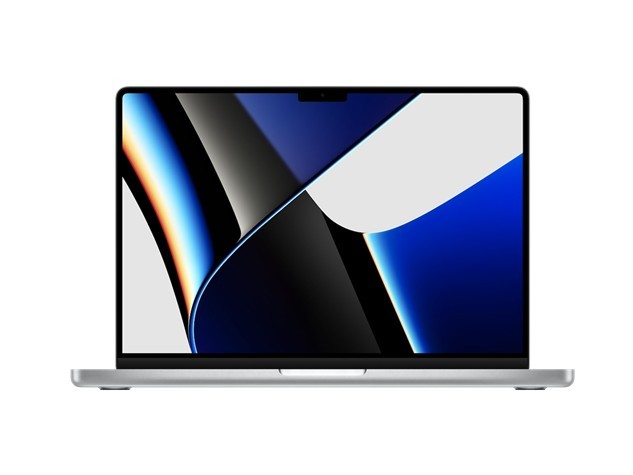
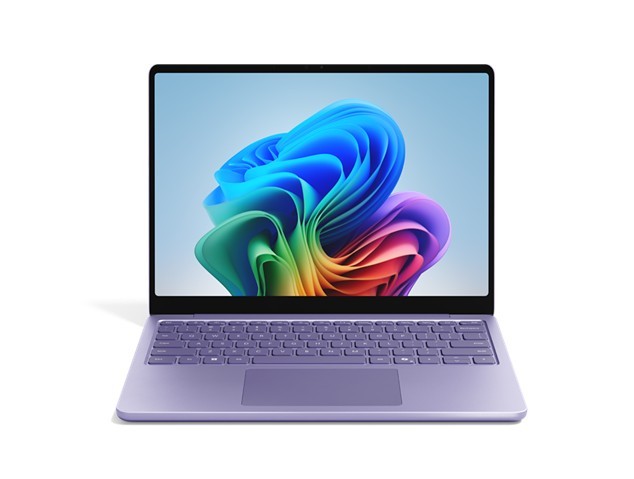
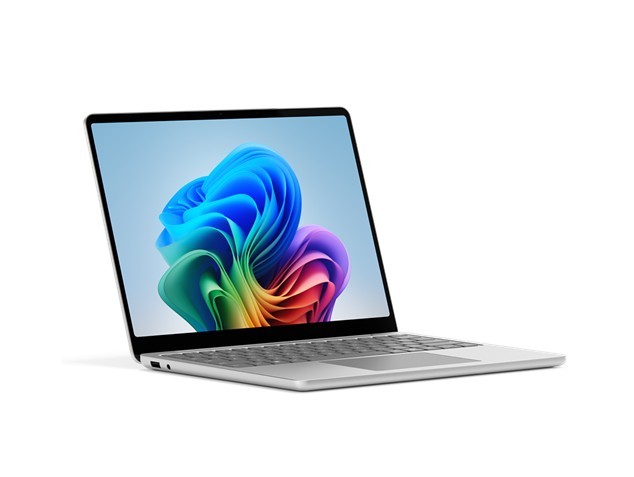
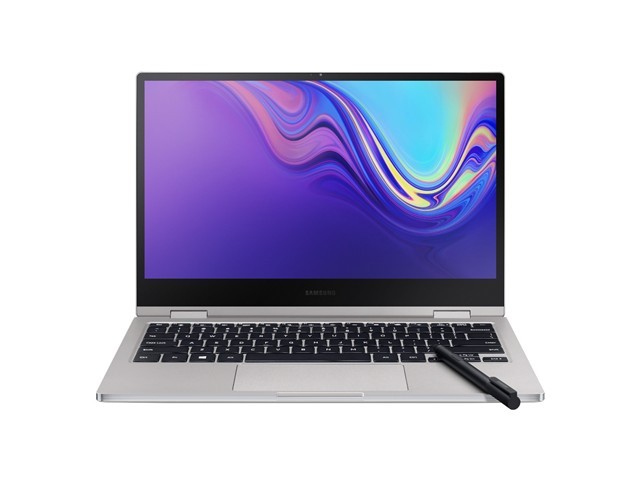
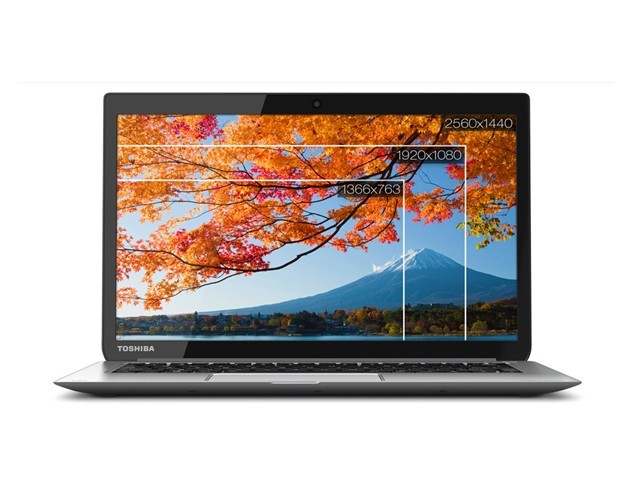
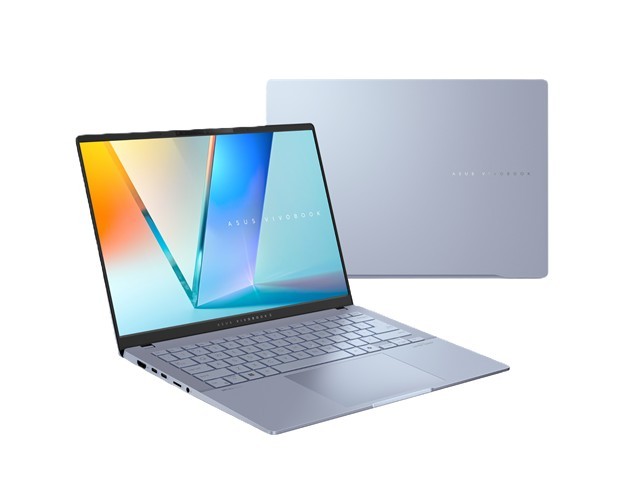
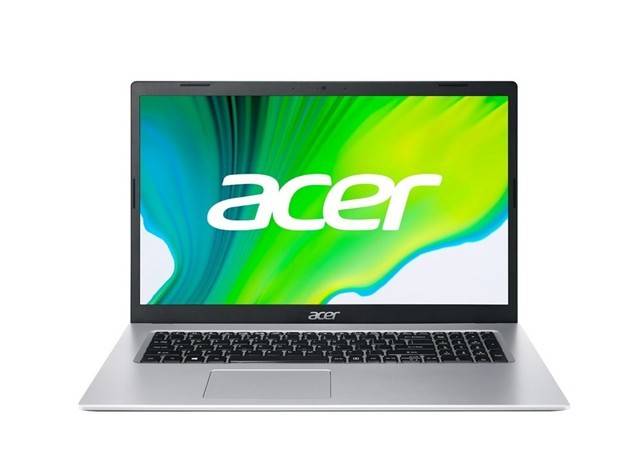
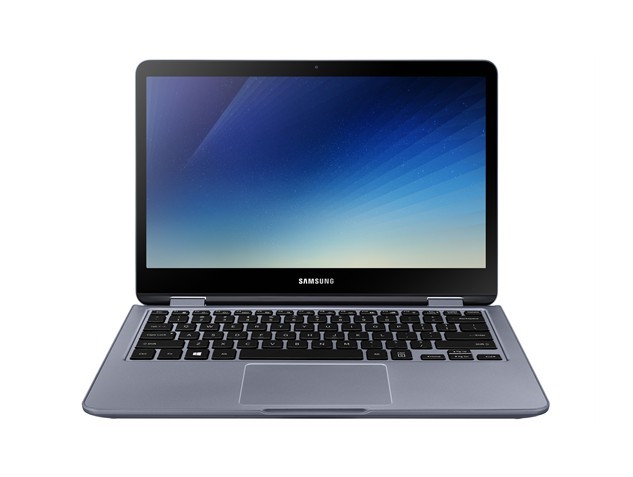
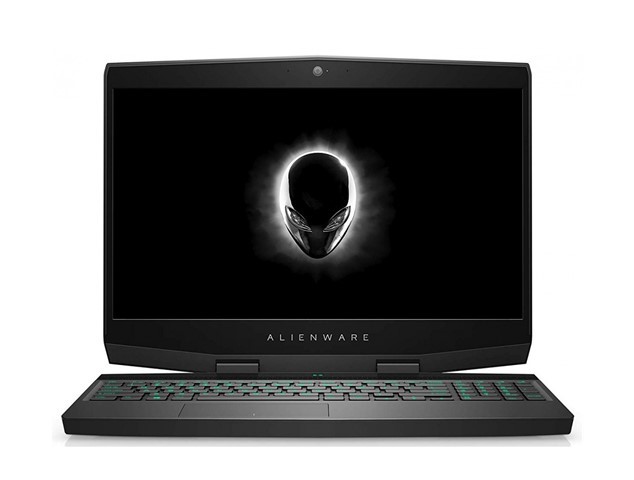
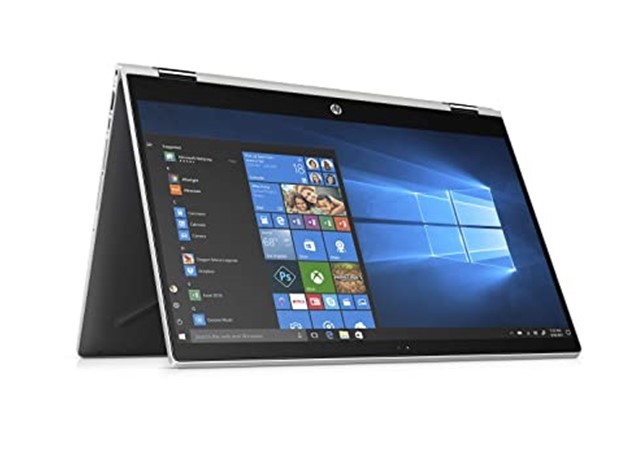
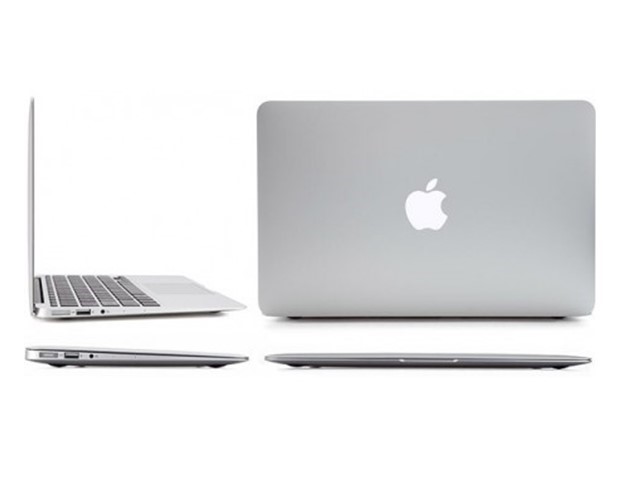
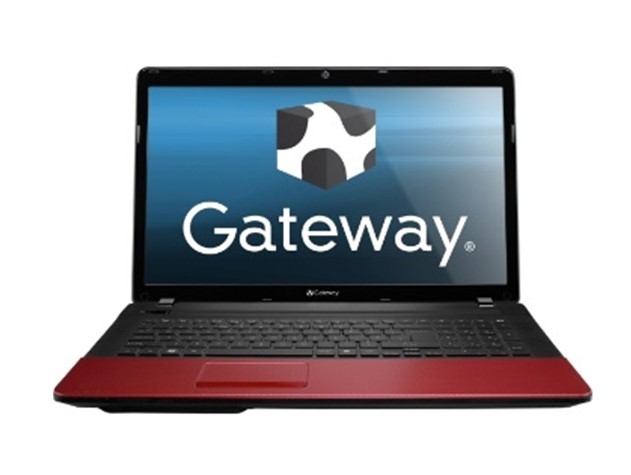
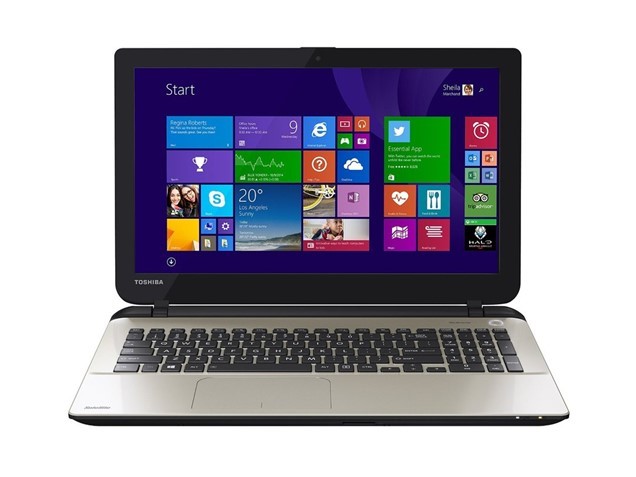
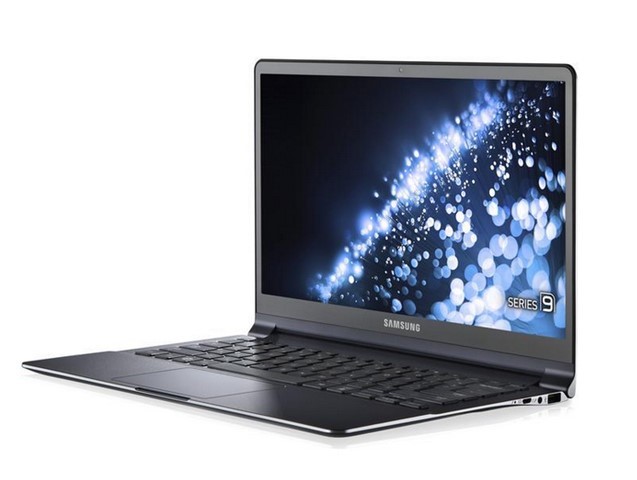
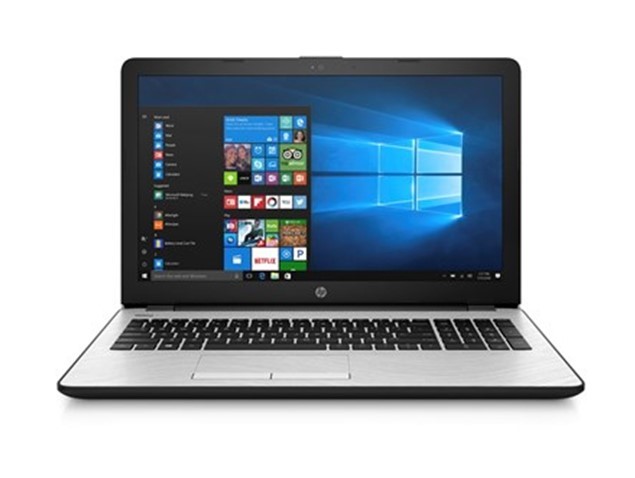
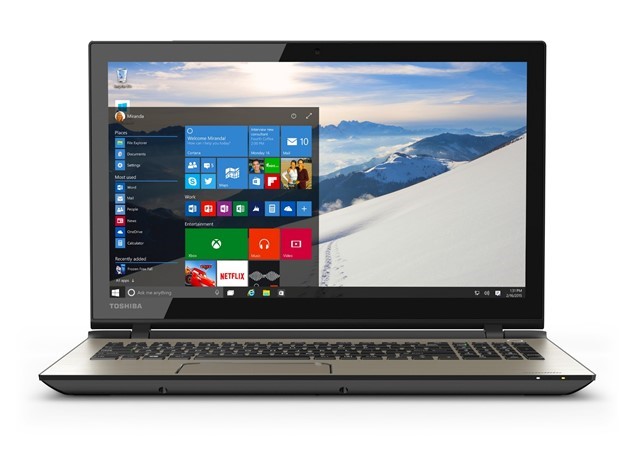
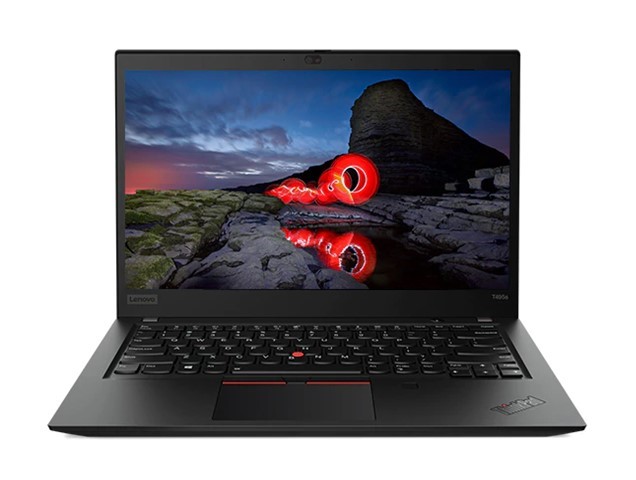
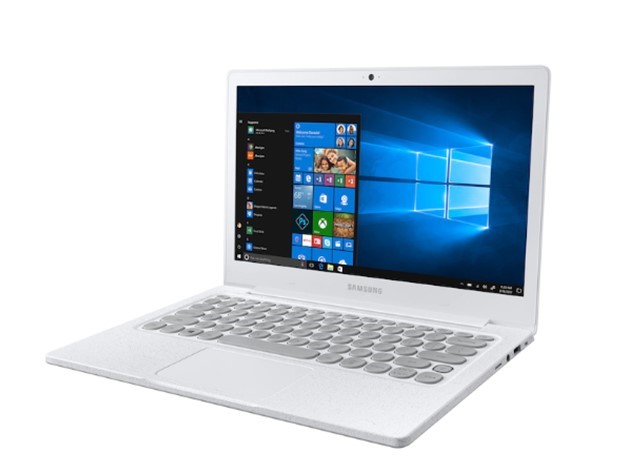
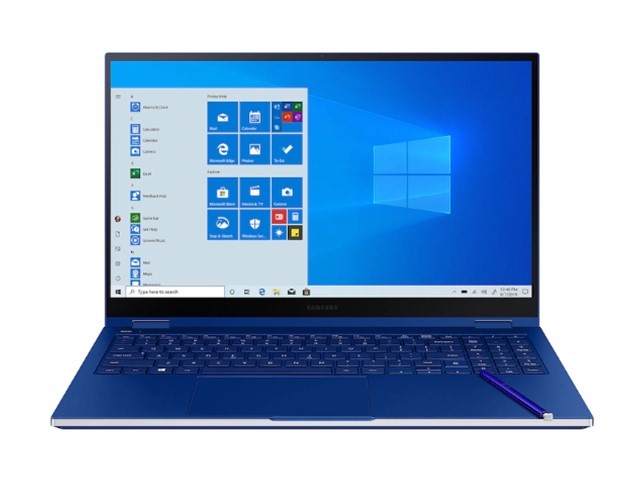
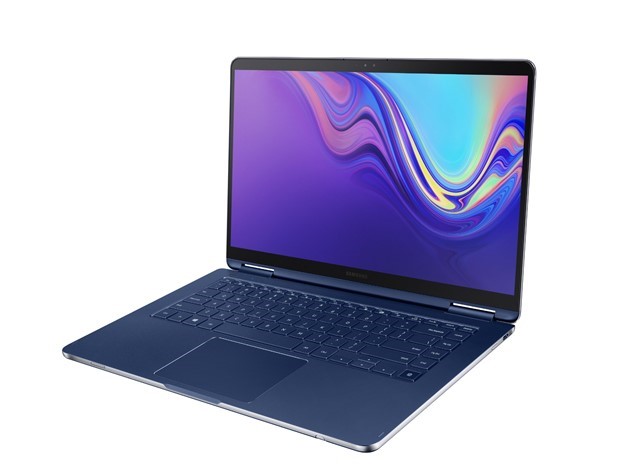
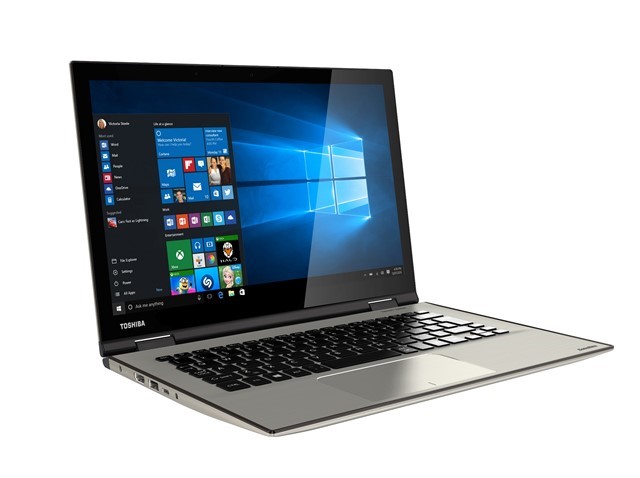
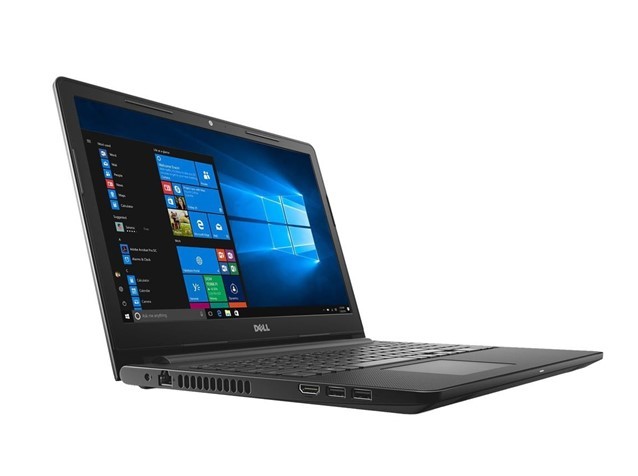
- Laptops & Notebooks: Portable computing units, ultrabooks, Chromebooks, and ruggedized business field laptops.
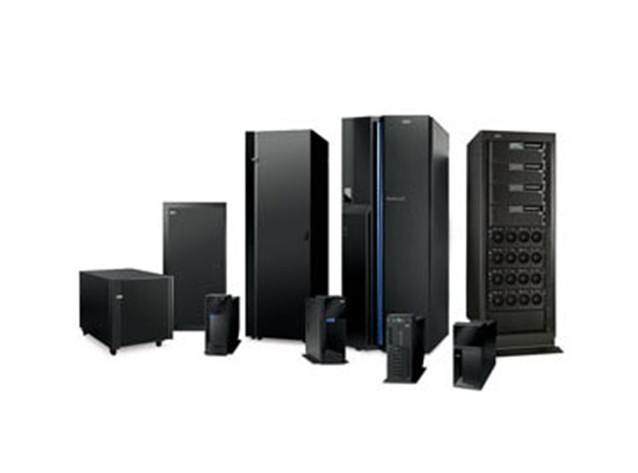
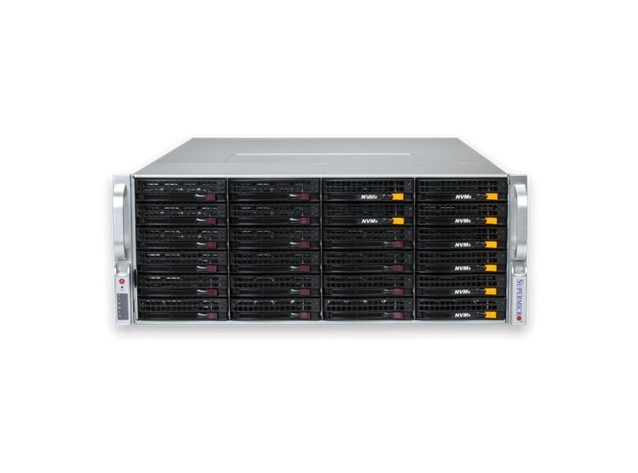
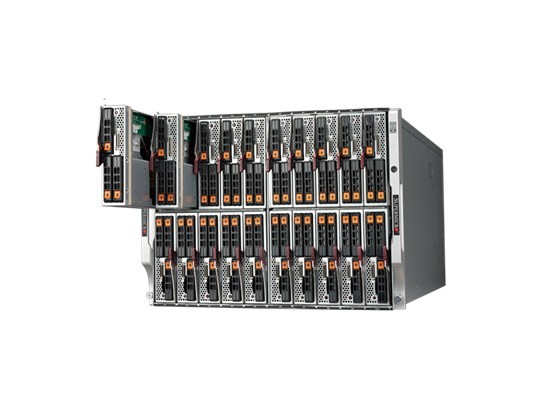
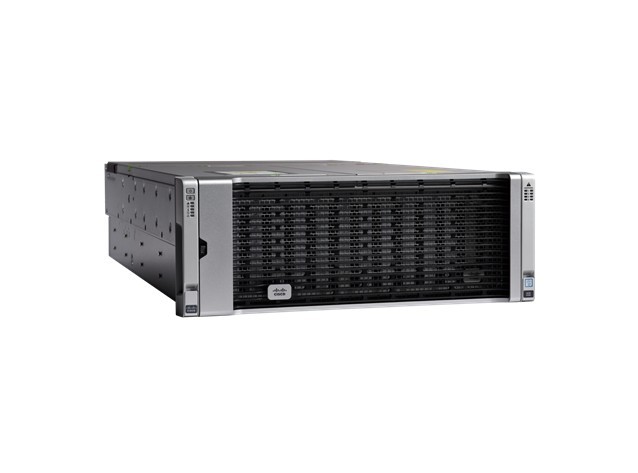
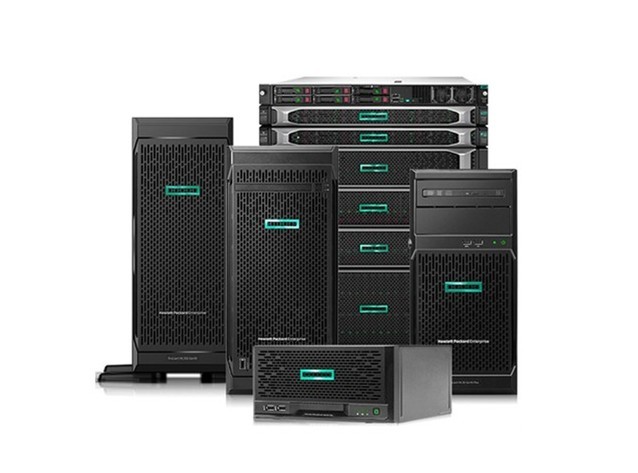
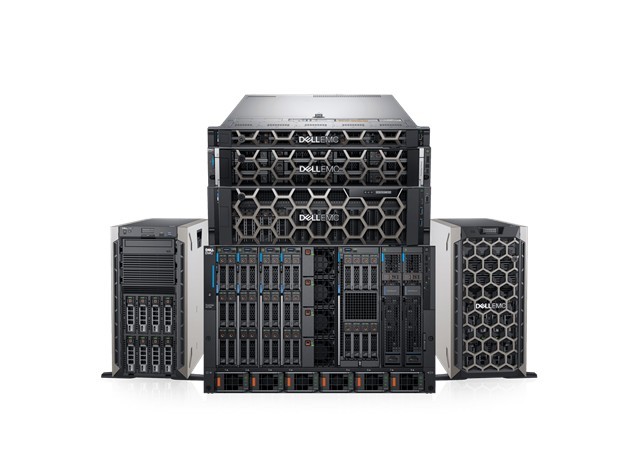
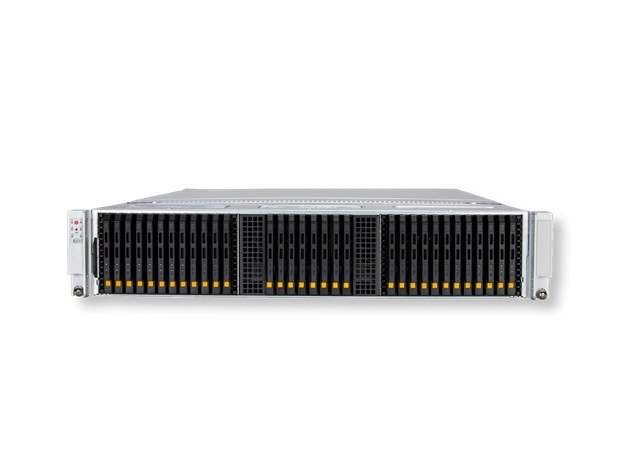
- Servers: Rackmount, blade, and tower servers tailored for enterprise computing, virtualization, and data processing.
- Tablets & Mobile Enterprise Devices: Touchscreen tablets and handheld point-of-sale (POS) or inventory scanners.
2. Internal Components (PC/Server Architecture)
- Processors (CPUs): The central processing units from manufacturers like Intel and AMD that execute calculations.
- Motherboards: The main circuit board connecting the processor, memory, and expansion cards.
- Memory (RAM): Volatile, high-speed temporary storage modules (DDR4, DDR5) for active processes.
- Graphics Cards (GPUs): Dedicated expansion cards used for rendering visuals, video editing, and AI workloads.
- Power Supply Units (PSUs): Internal hardware units converting electrical currents to power internal components.
- Cooling Systems: CPU air coolers, liquid cooling loops, and chassis case fans.
3. Data Storage Systems
- Internal Drives: High-speed Solid-State Drives (SSDs) and traditional Mechanical Hard Disk Drives (HDDs).
- Network Attached Storage (NAS): Dedicated multi-drive appliances providing localized cloud storage over an office network.
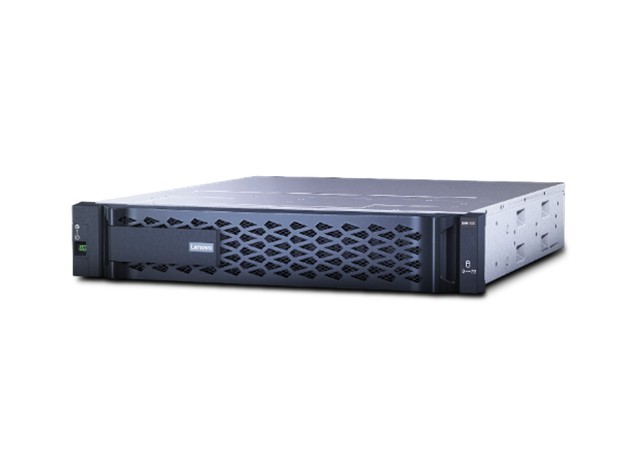
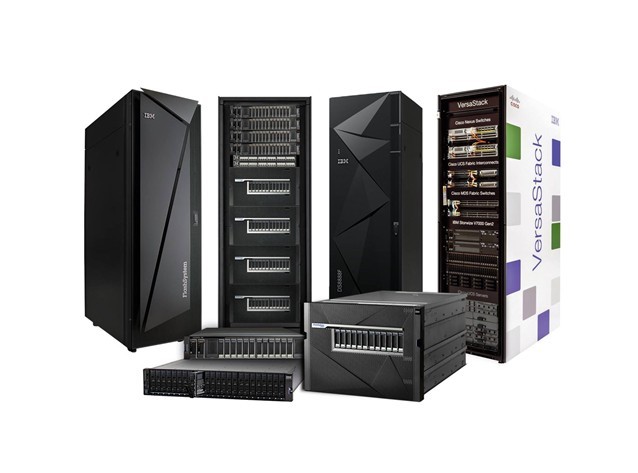
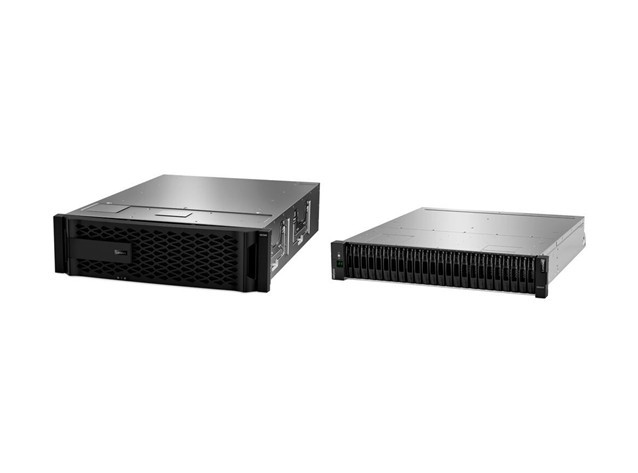
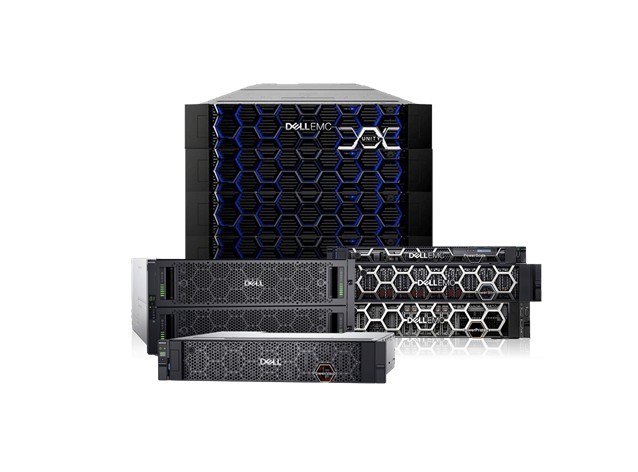
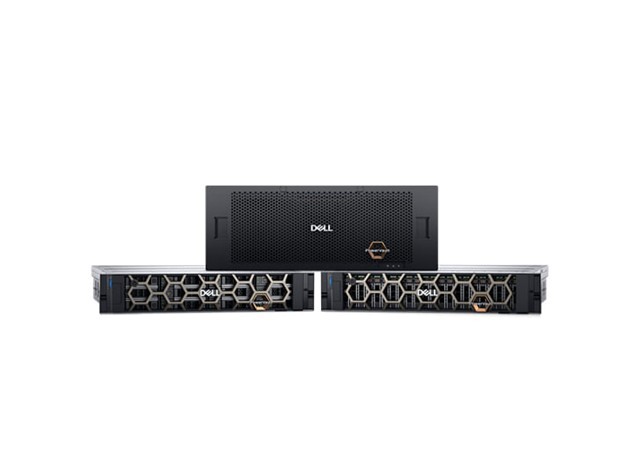
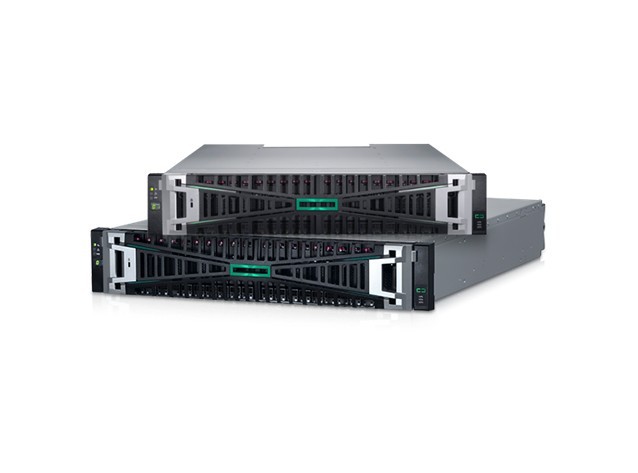
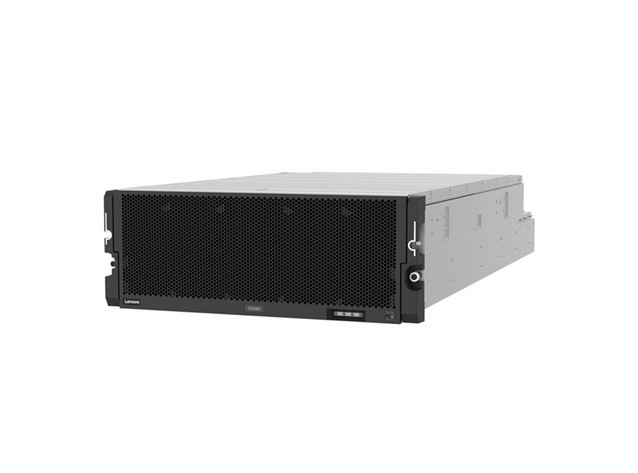
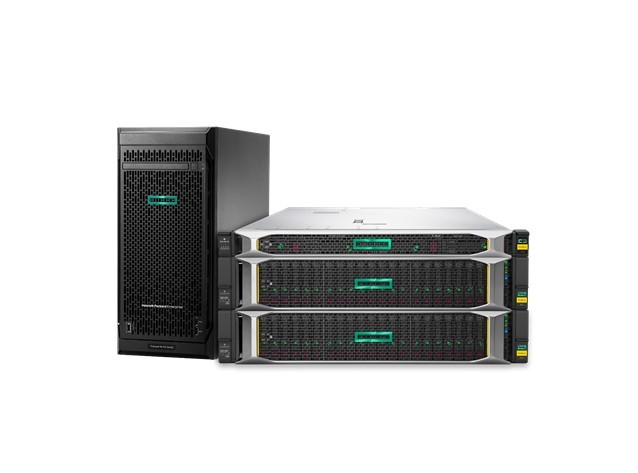
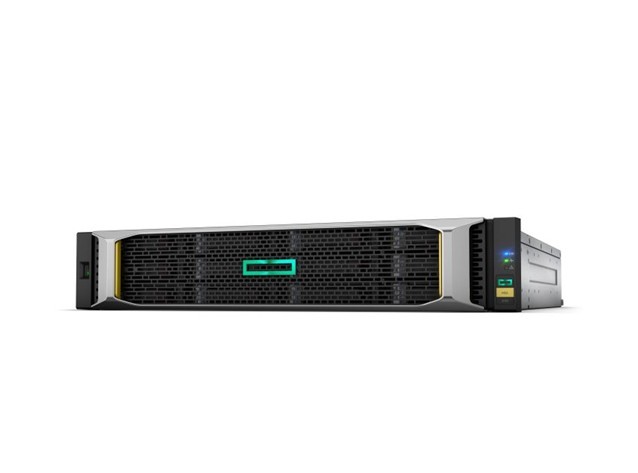
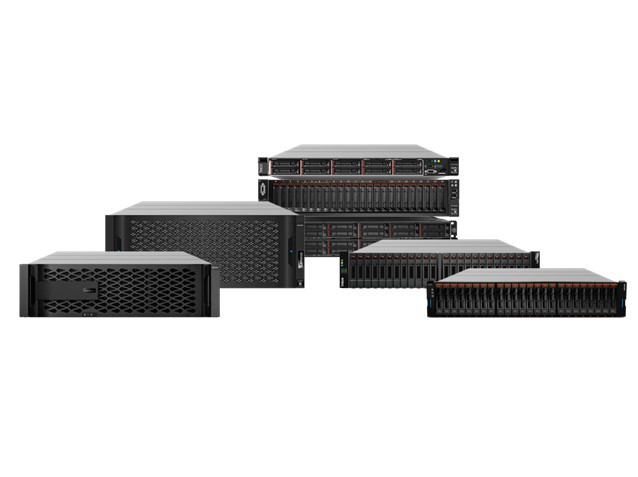
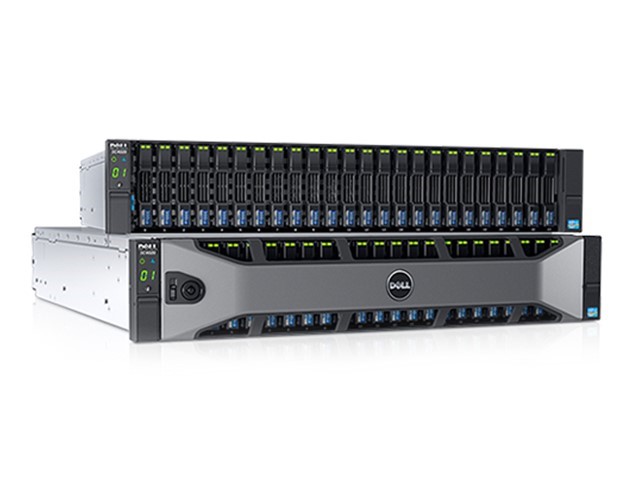
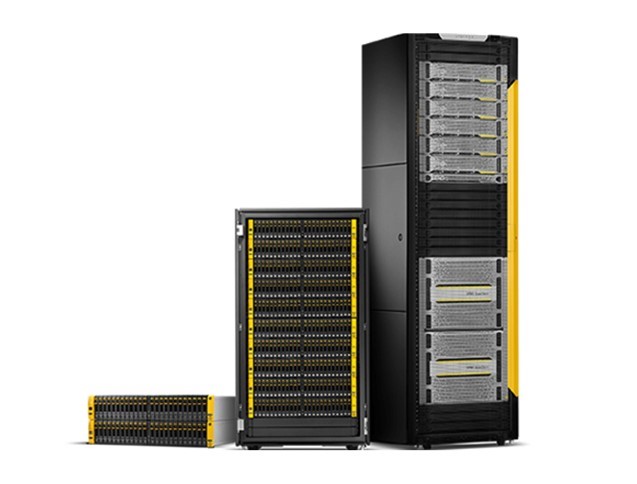
- Enterprise Storage Arrays: Storage Area Network (SAN) and high-density disk/tape backup arrays for data centers.
- Portable/External Storage: Rugged external hard drives, secure USB flash drives, and SD memory cards.
4. Networking & Telecommunications Equipment
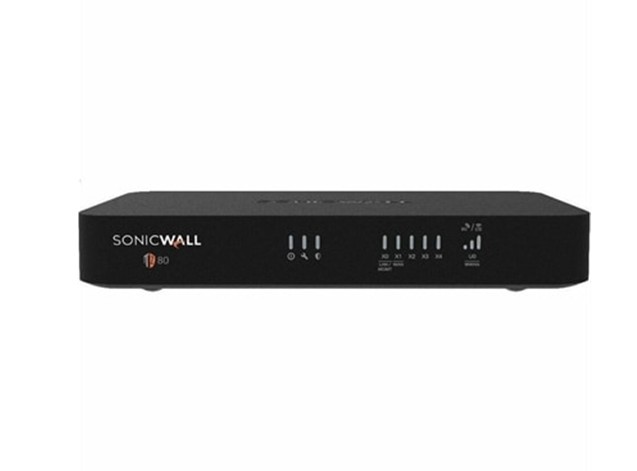
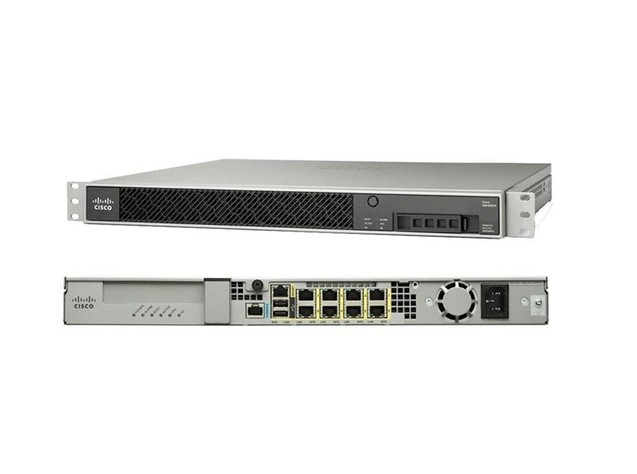
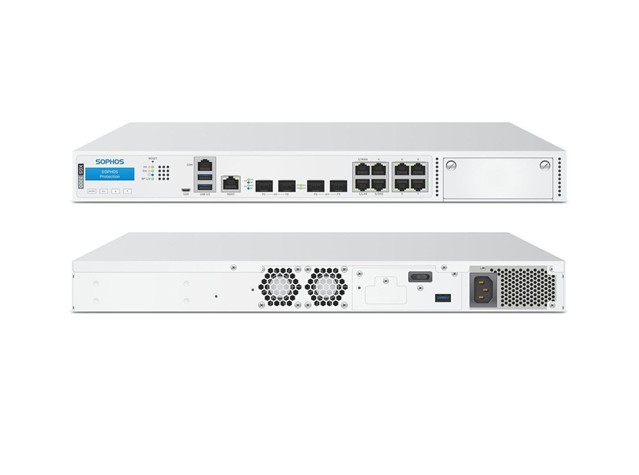
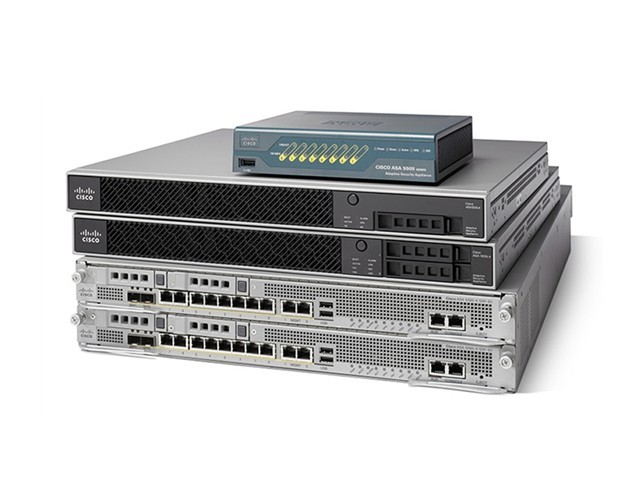
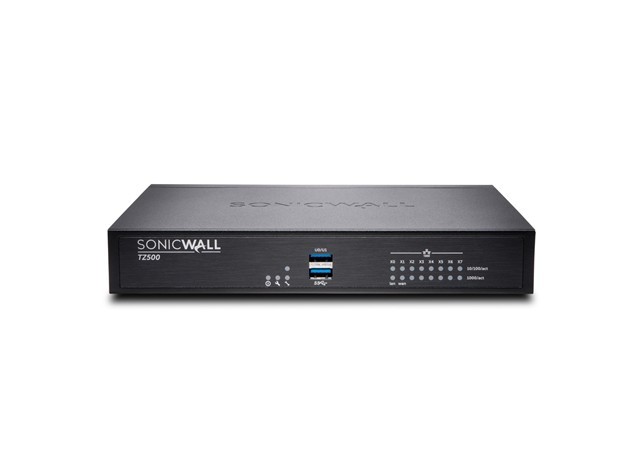
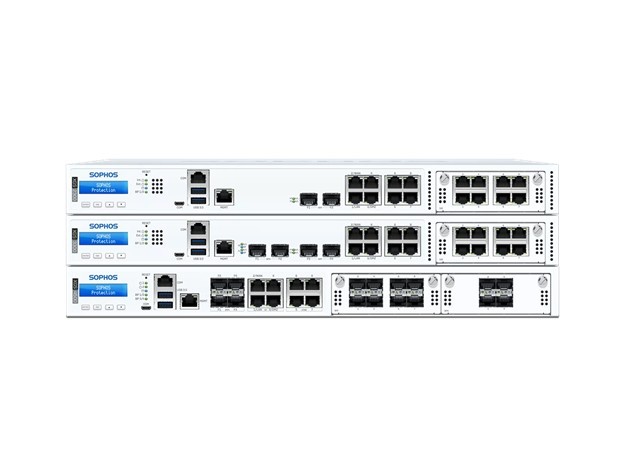
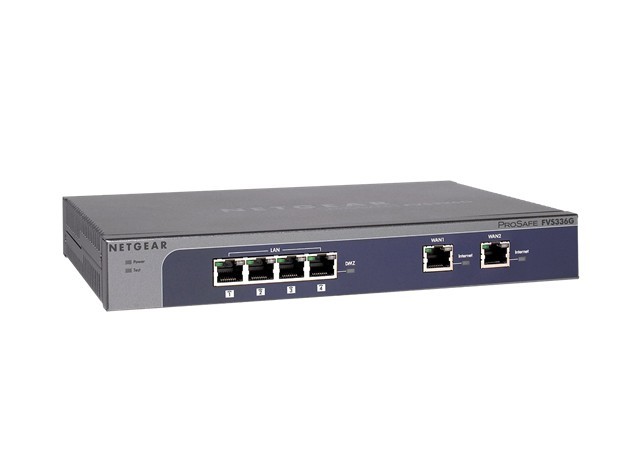
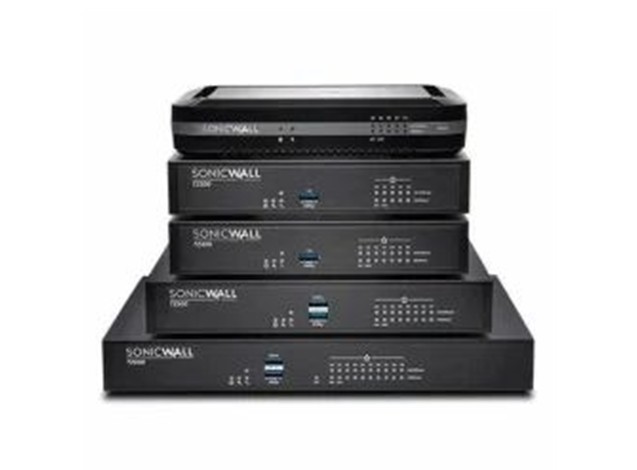
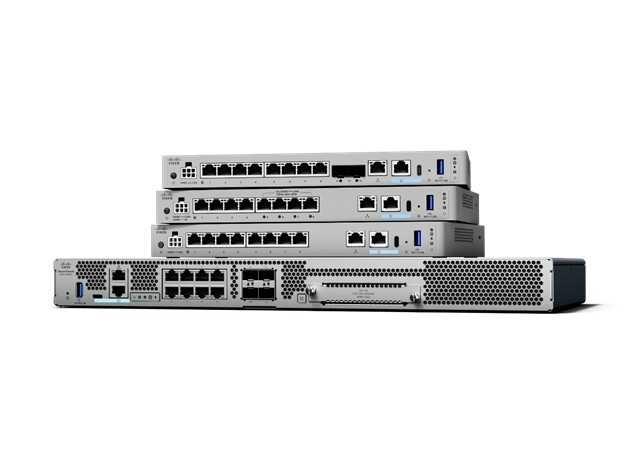
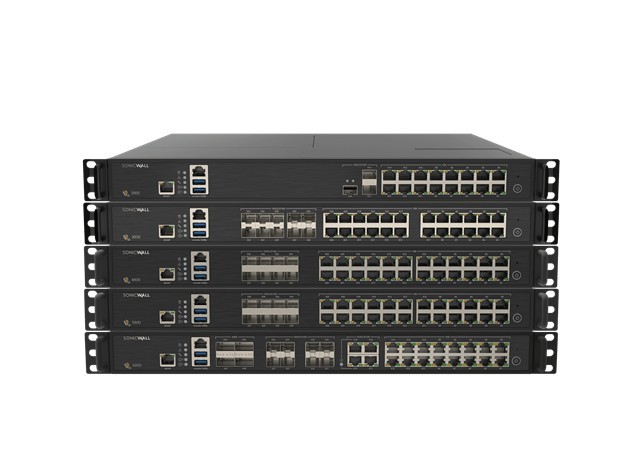
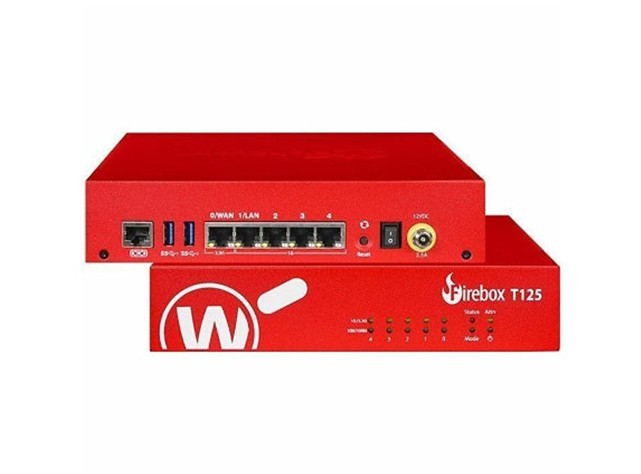
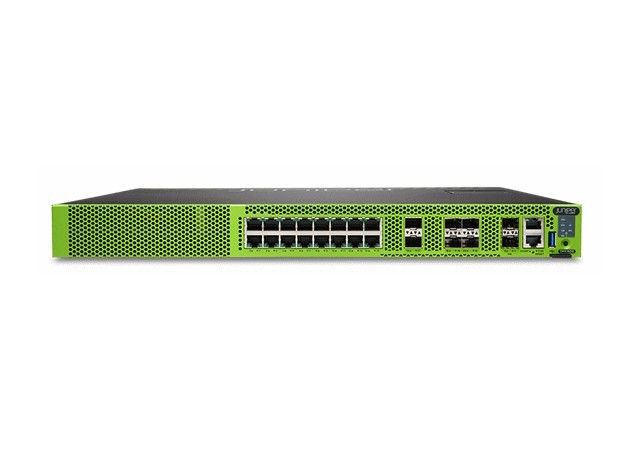
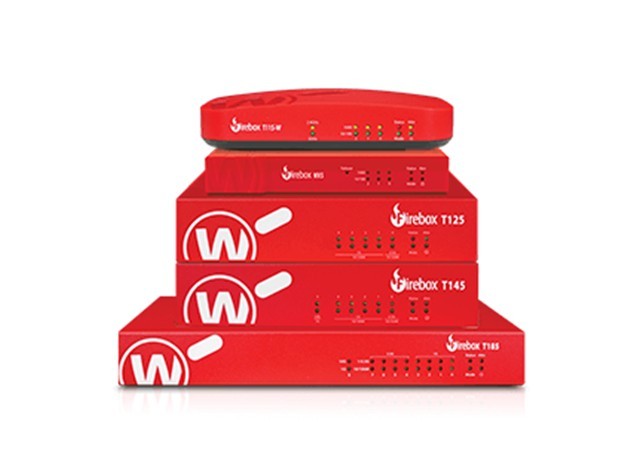
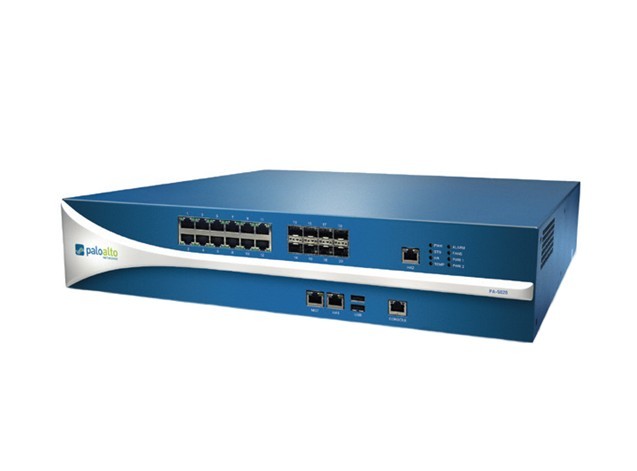
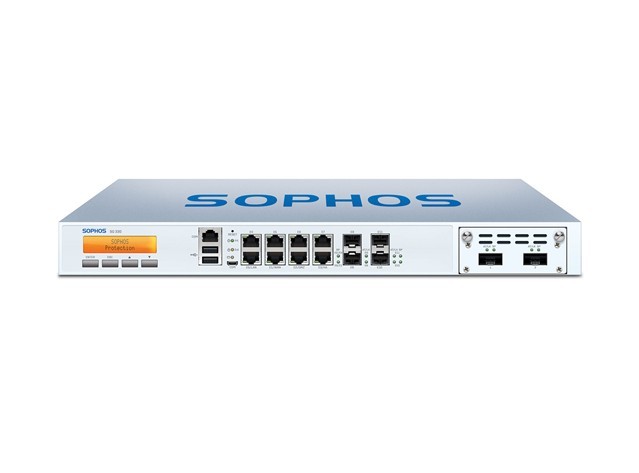
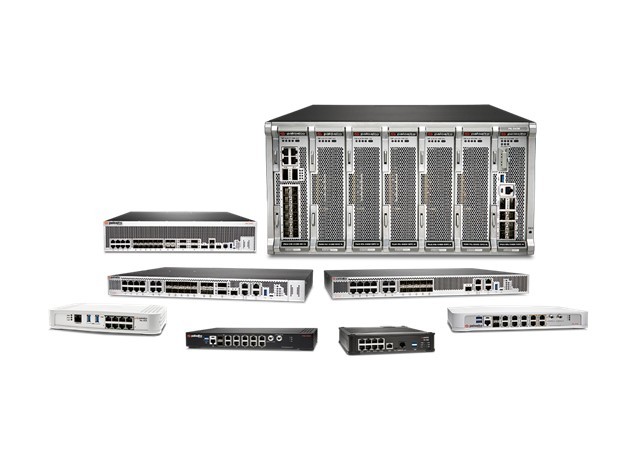
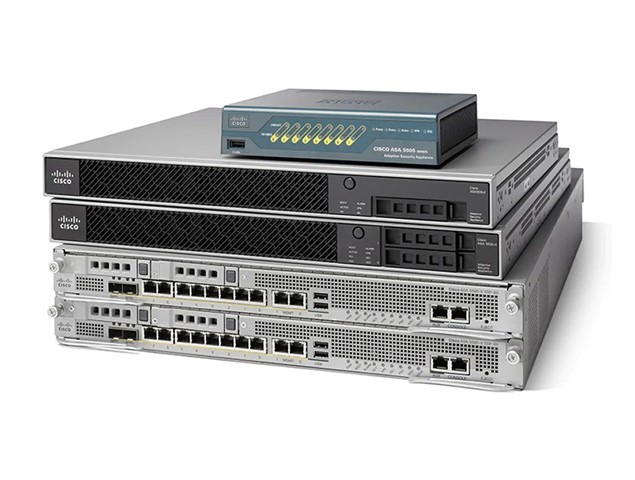
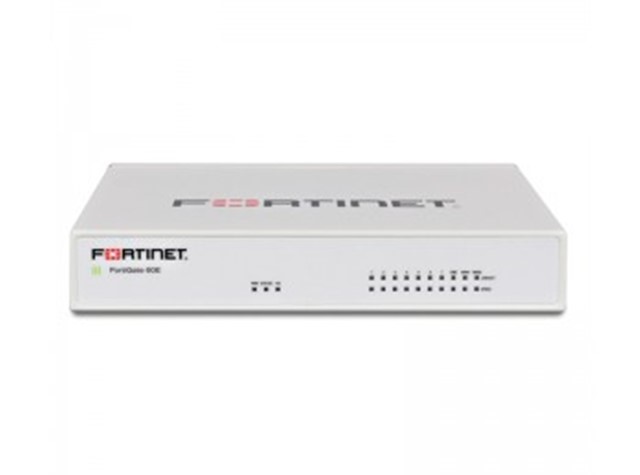
- Routers & Gateways: Systems directing data traffic between separate corporate and internet networks.
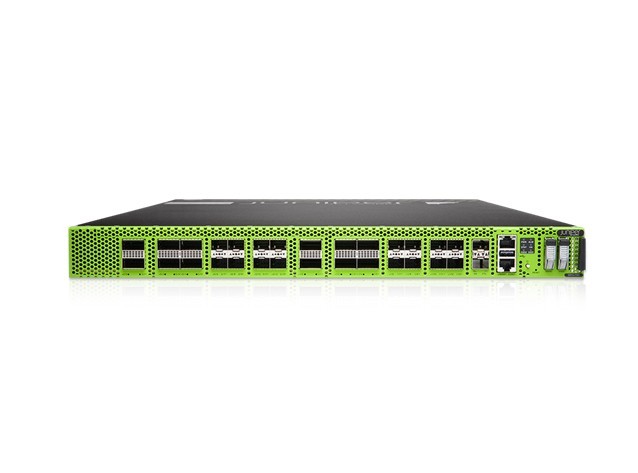
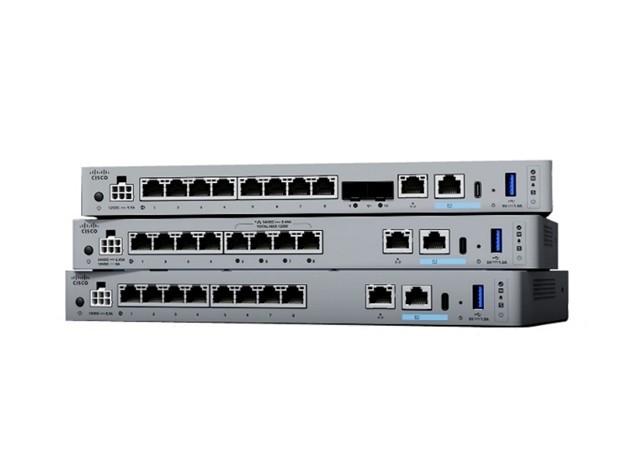
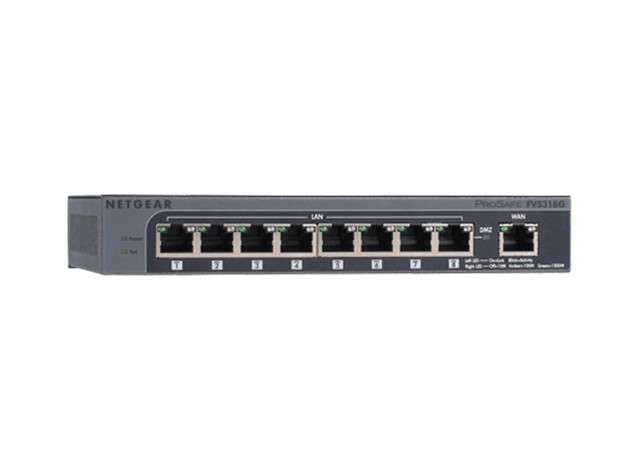
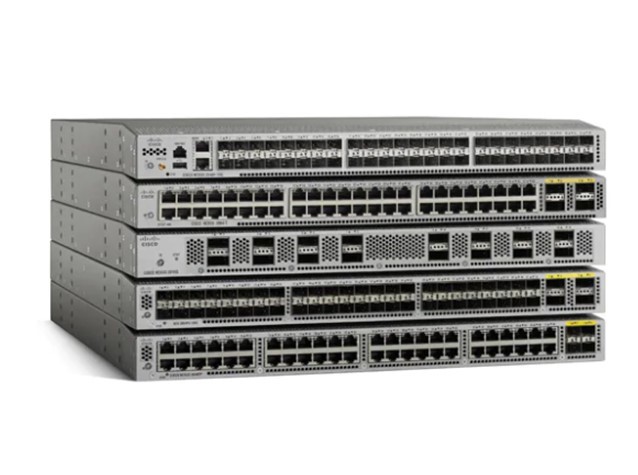
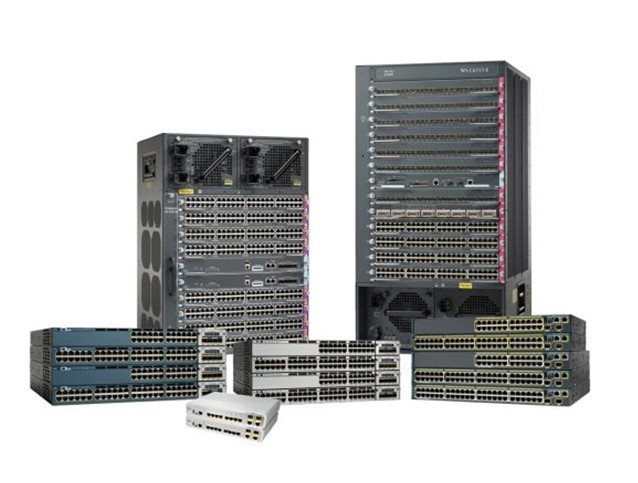
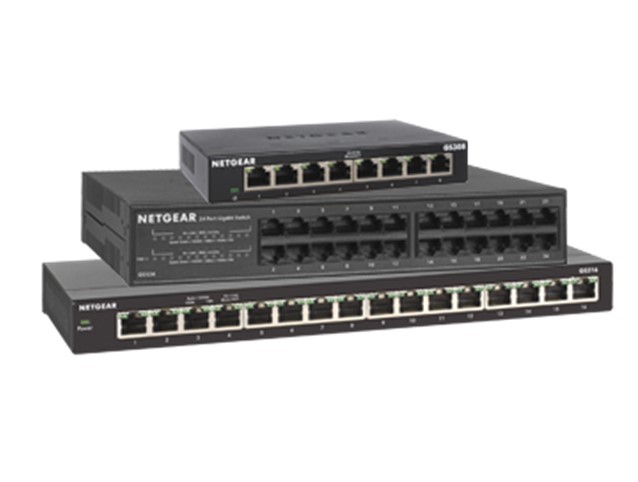
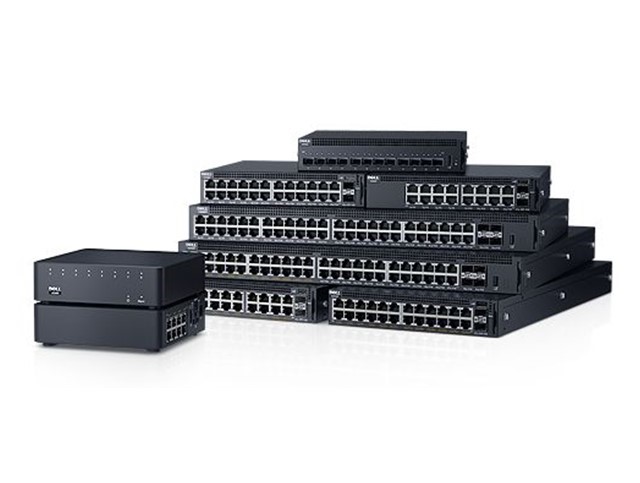
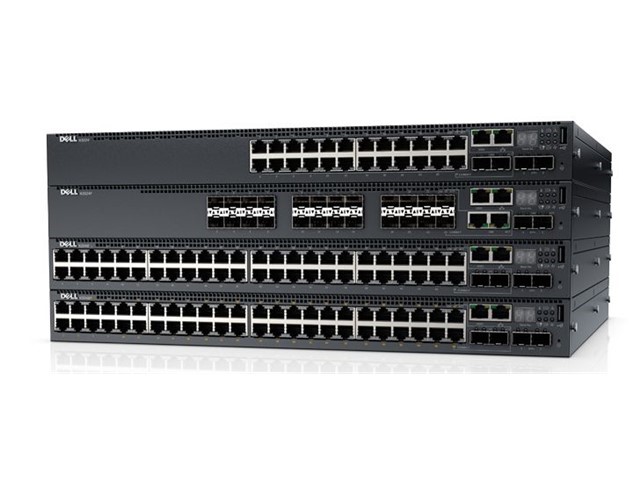
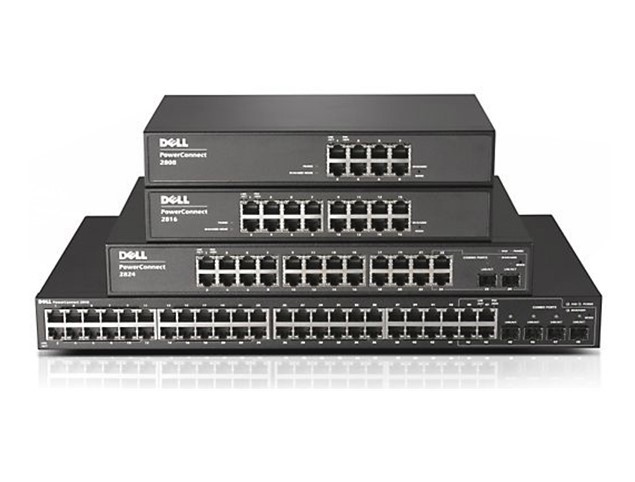
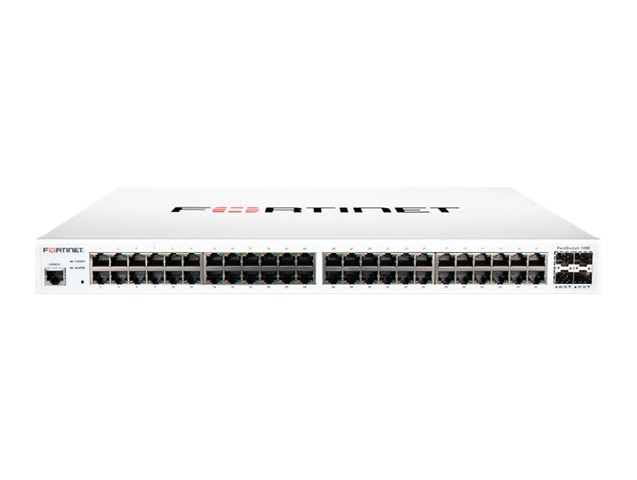
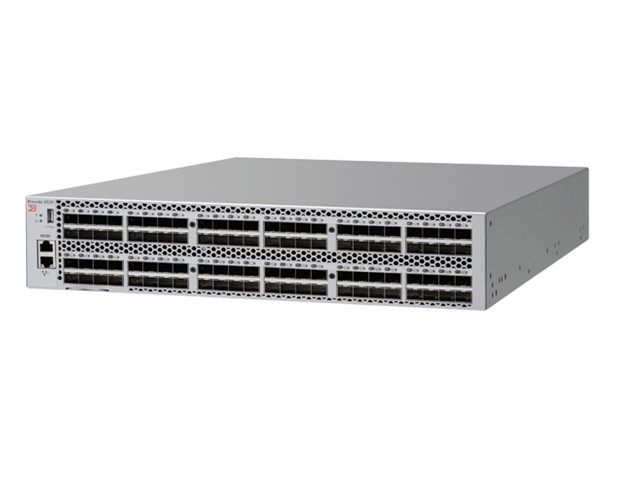
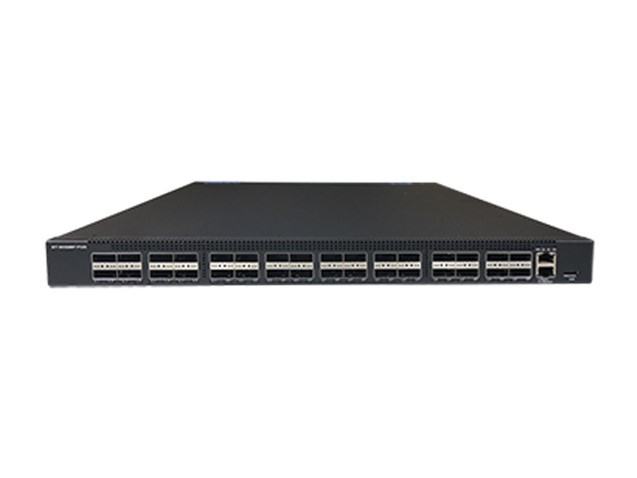
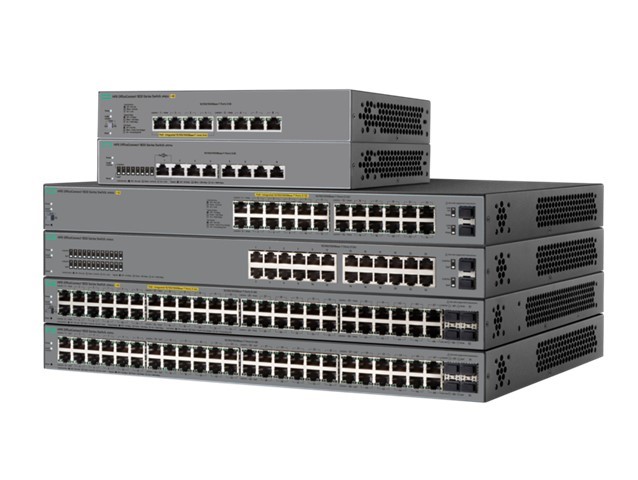
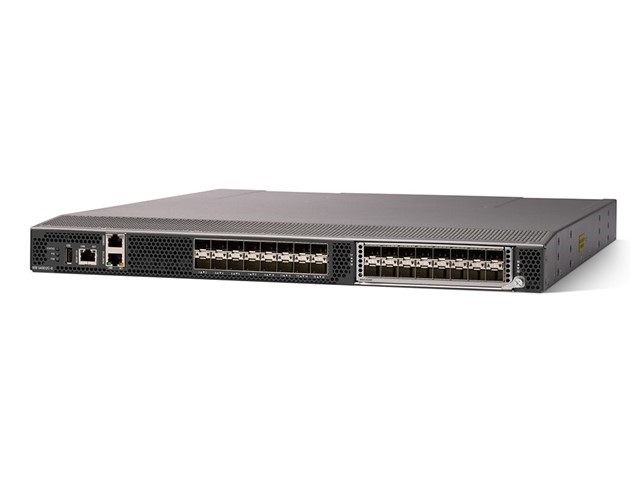
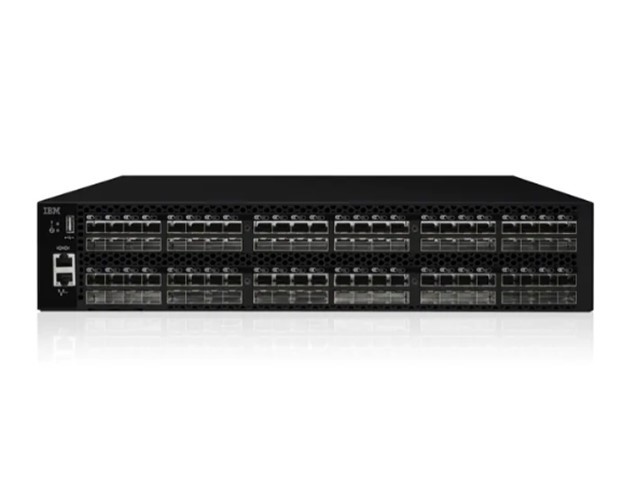
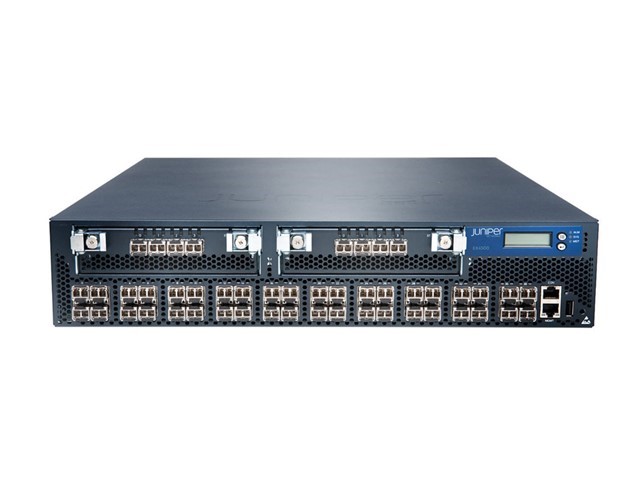
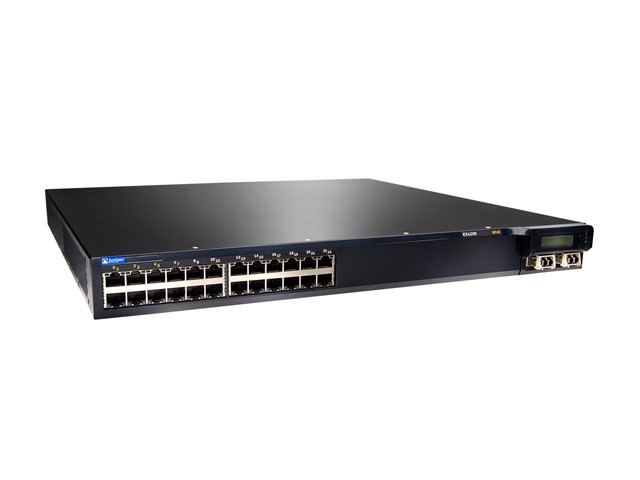
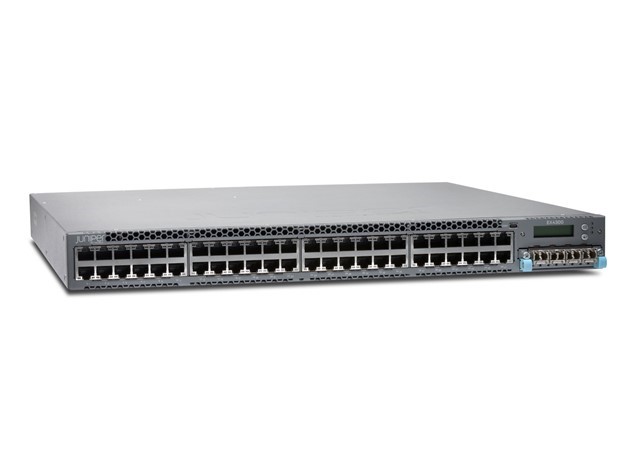
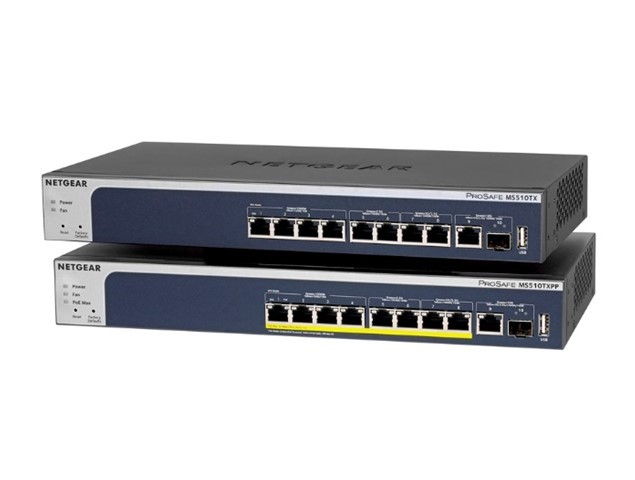
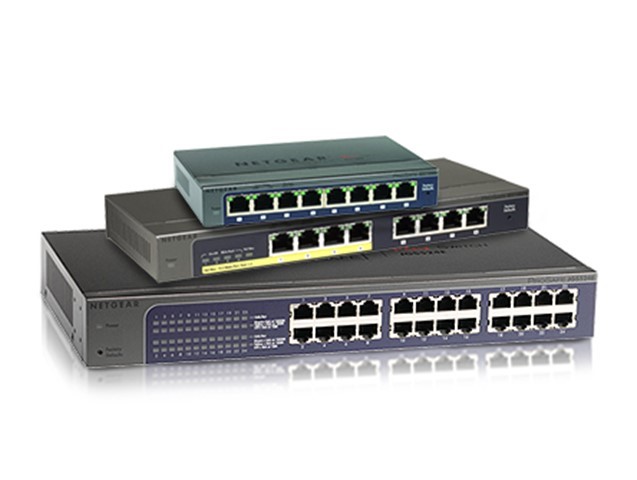
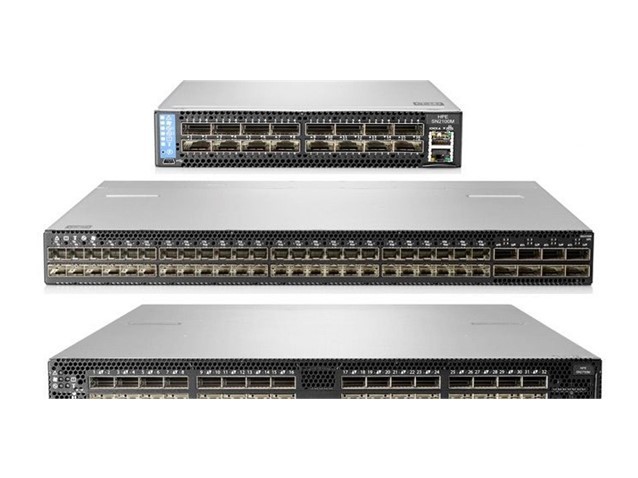
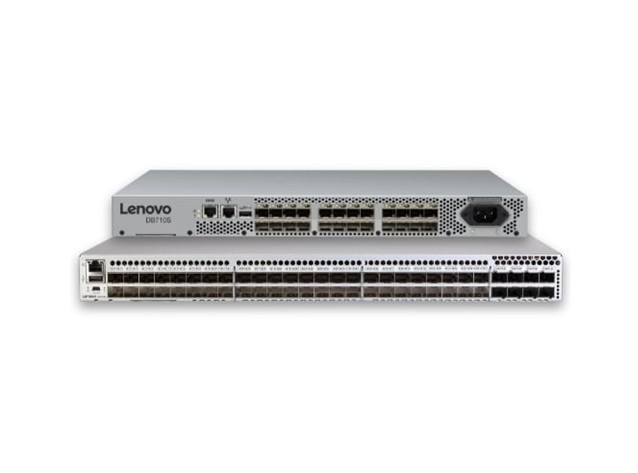
- Network Switches: Managed and unmanaged hardware connecting localized hardware assets inside a facility.
- Wireless Access Points (WAPs): Signal transmitters enabling secure, high-speed Wi-Fi across office environments.
- Modems: Media converters translating data signals from internet service providers (fiber, coaxial, DSL).
- Enterprise Telephony: Voice over IP (VoIP) desk phones, conference stations, and IP private branch exchanges.
5. Input Peripherals
- Keyboards & Mice: Standard mechanical, ergonomic, or wireless user input devices.
- Document Scanners: High-volume, flatbed, or sheet-fed digitization hardware.
- Webcams & Cameras: High-definition video capturing devices for virtual communication.
- Microphones & Audio Capture: Dedicated desktop mics or integrated headset inputs.
6. Output Peripherals
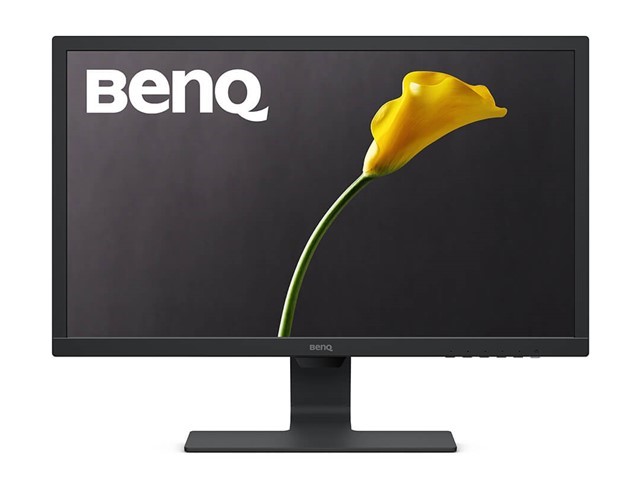
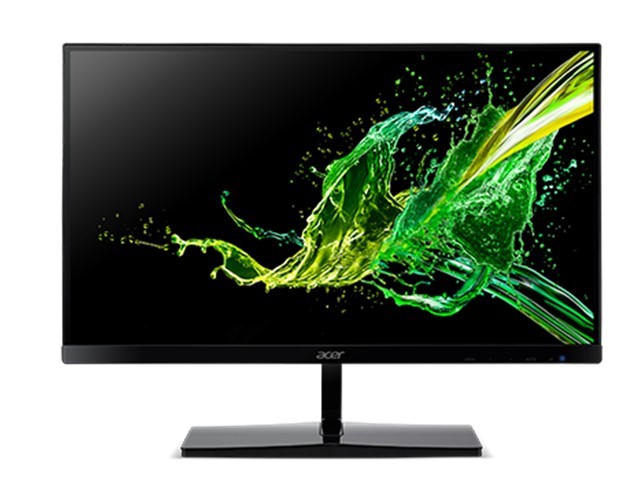
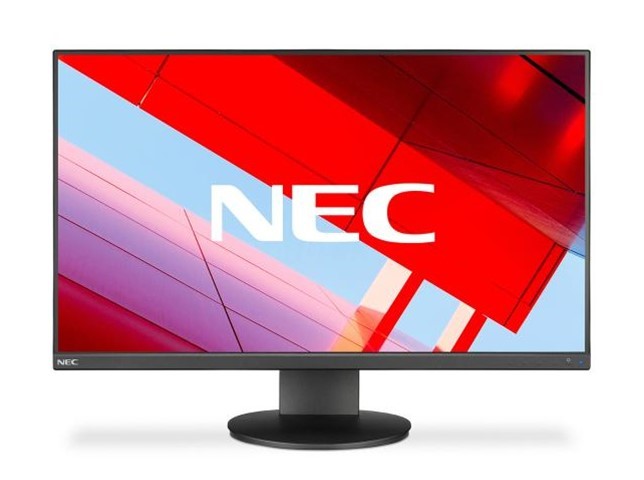
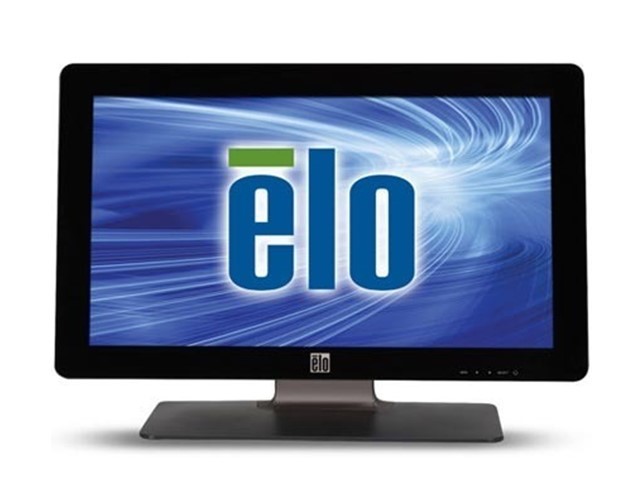
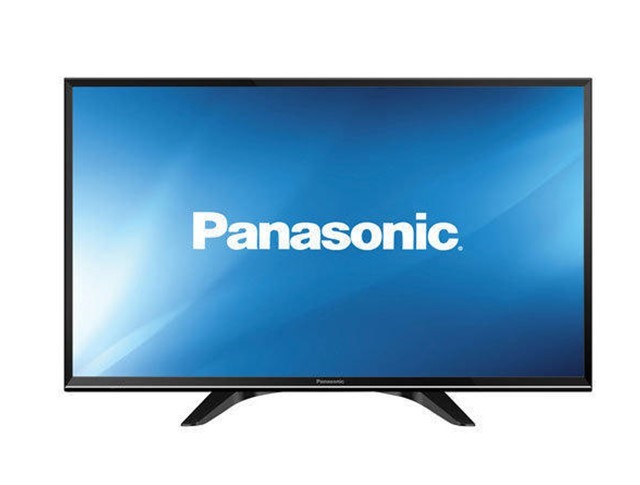
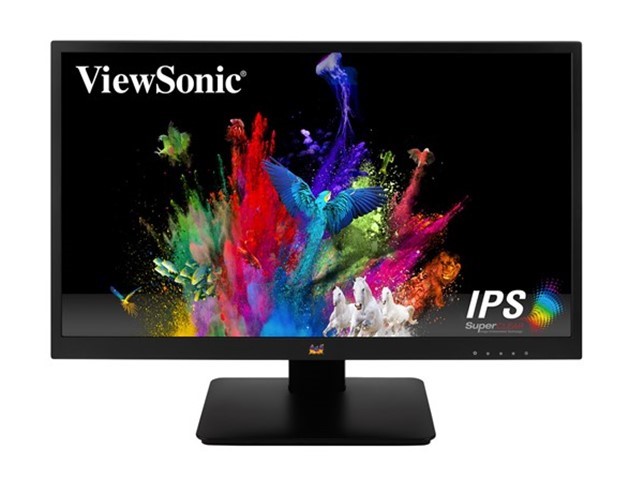
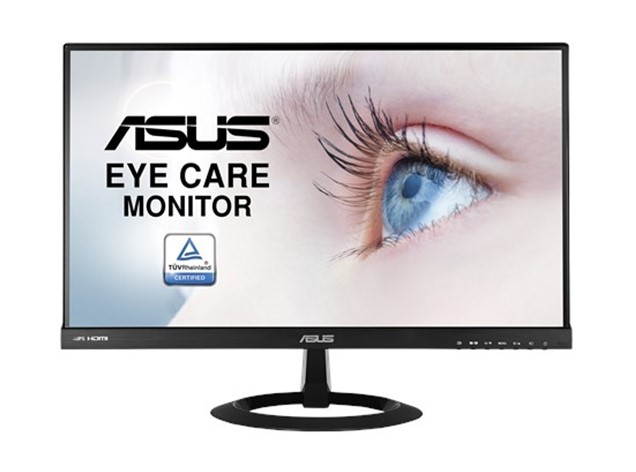
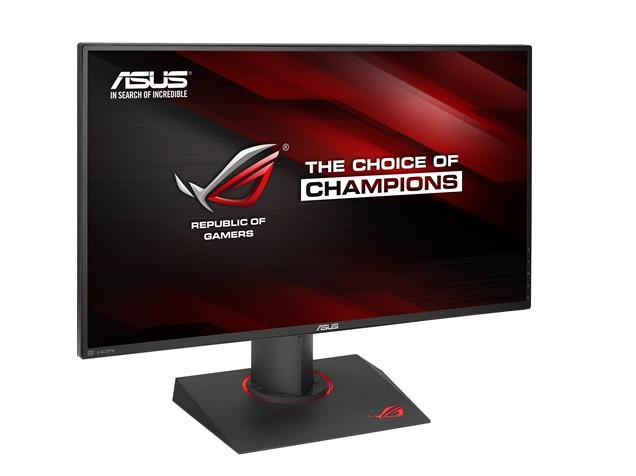
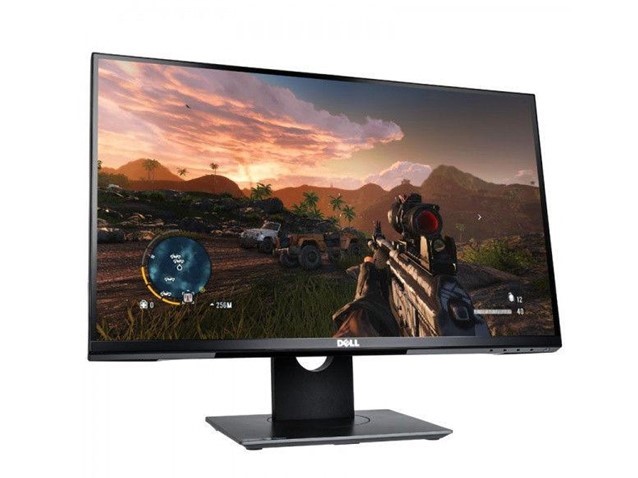
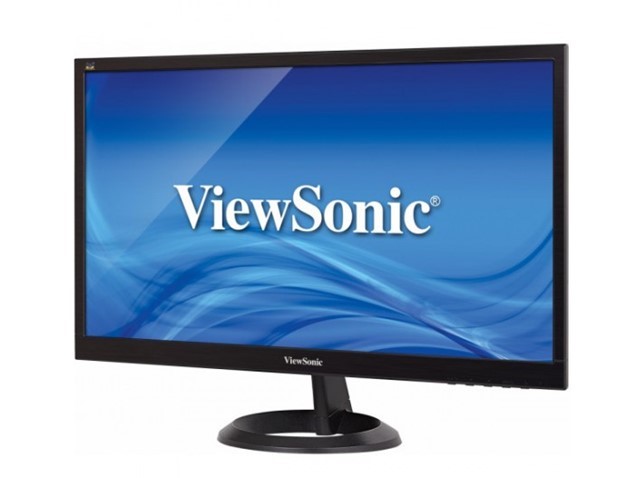
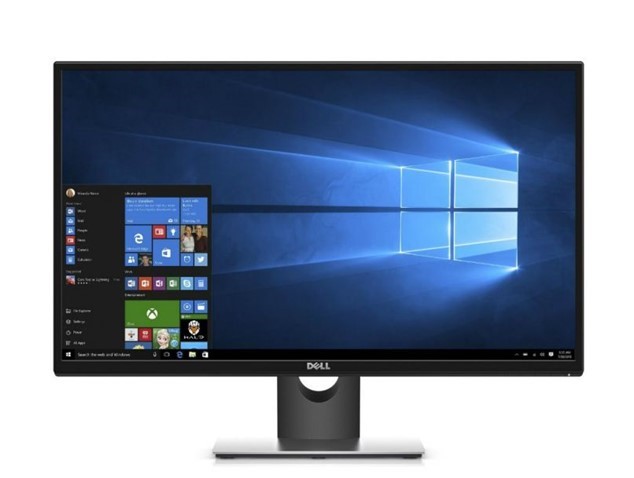
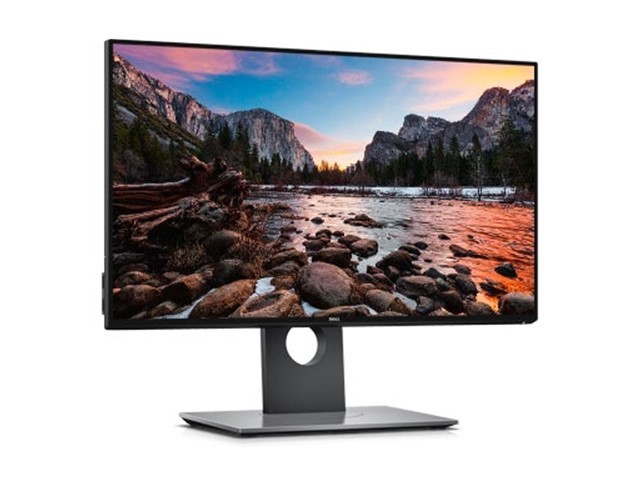
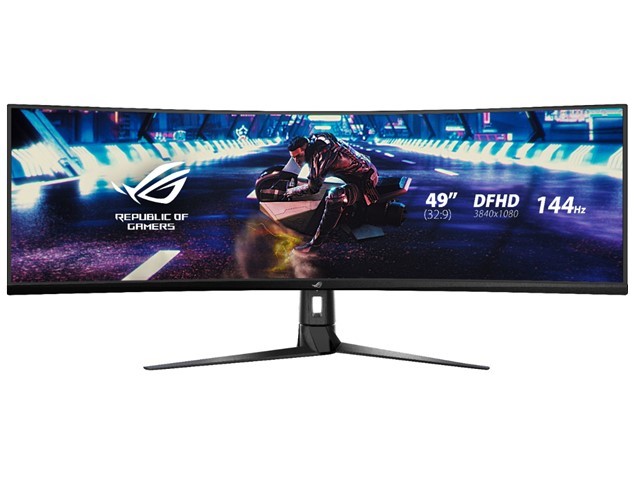
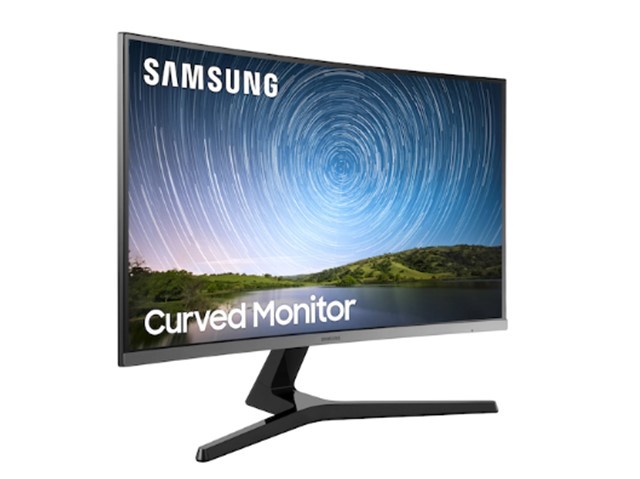
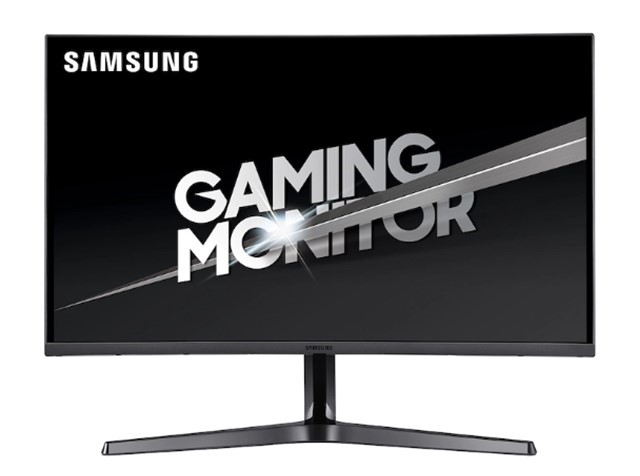
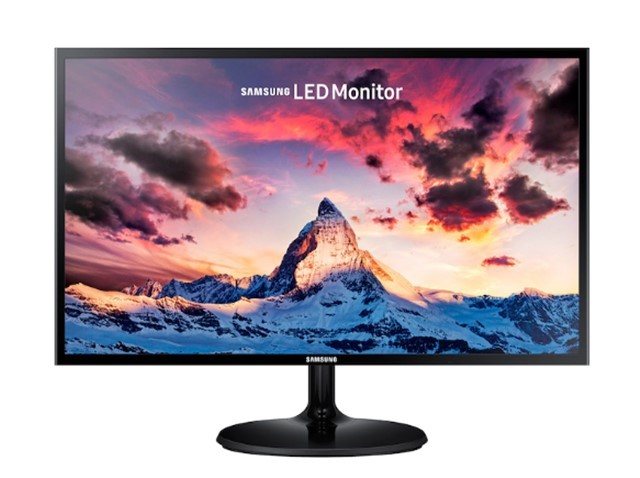
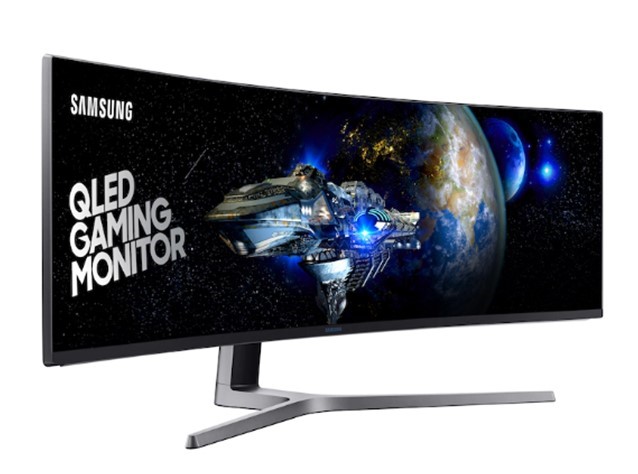
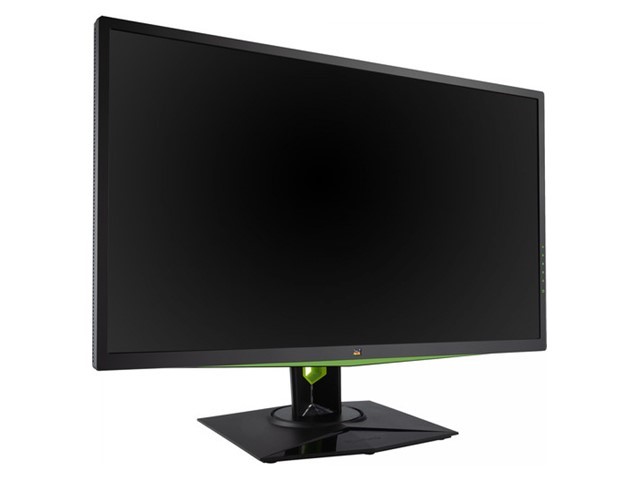
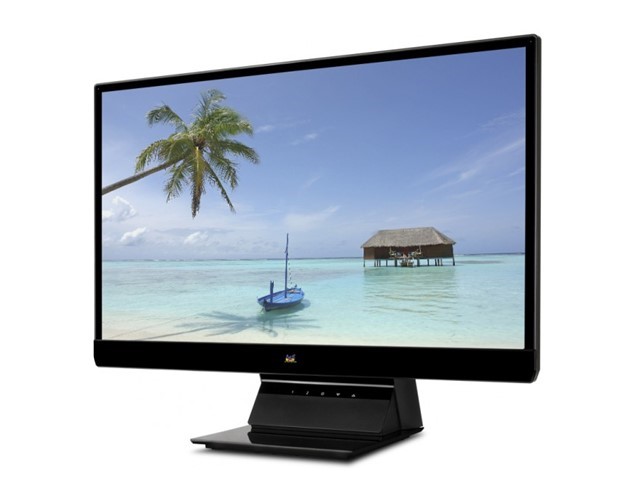
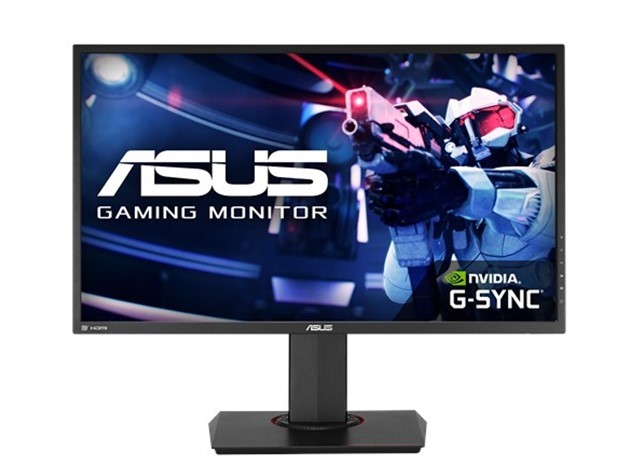
- Monitors & Displays: LED, LCD, or OLED visual output panels ranging from budget office variants to color-accurate creative monitors.
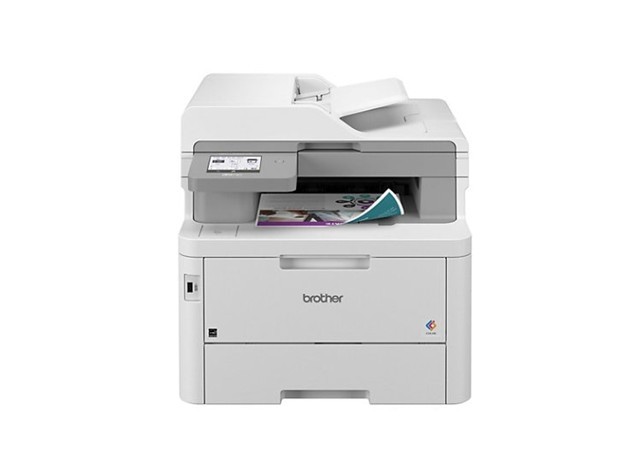
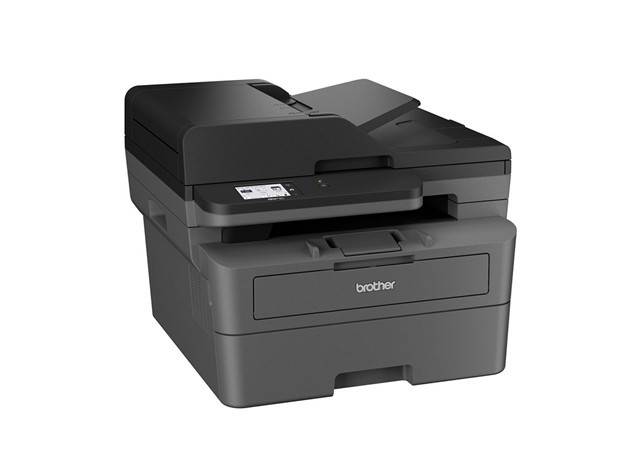
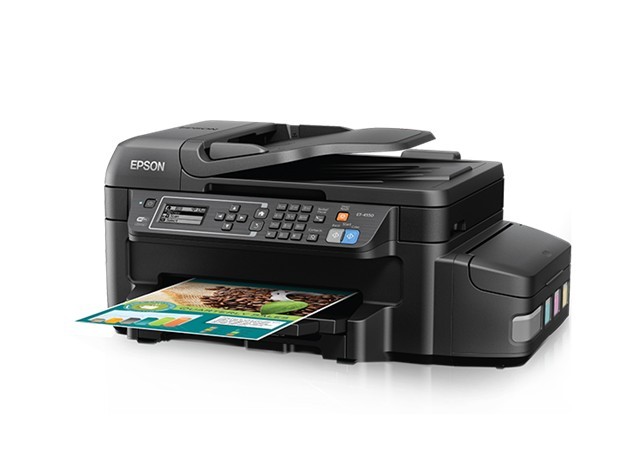
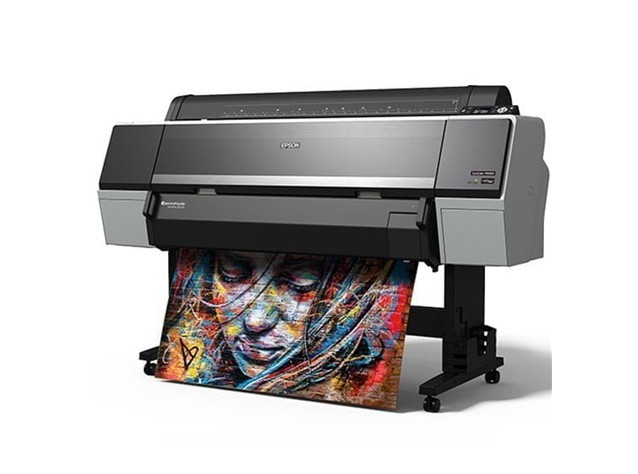
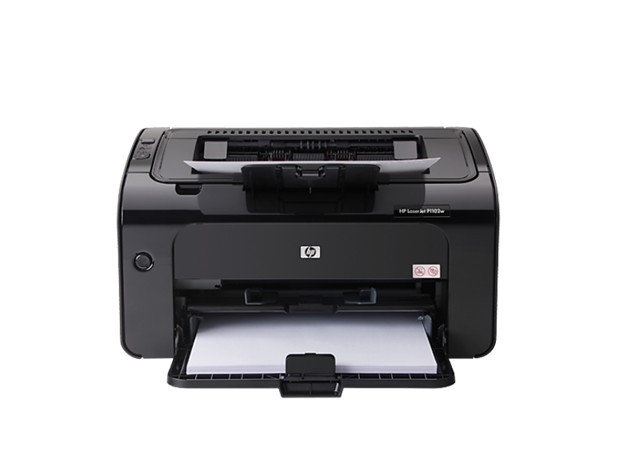
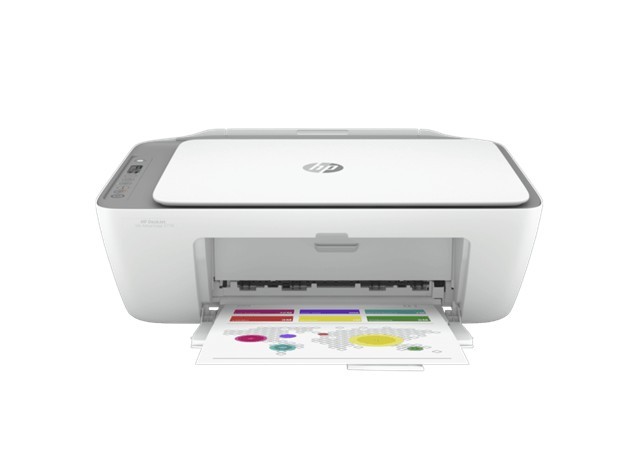
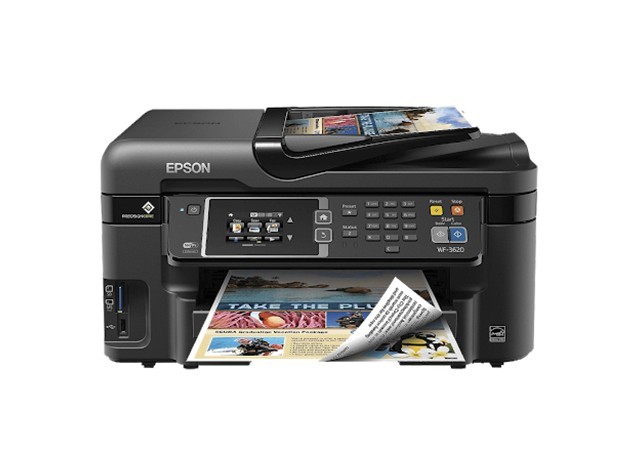
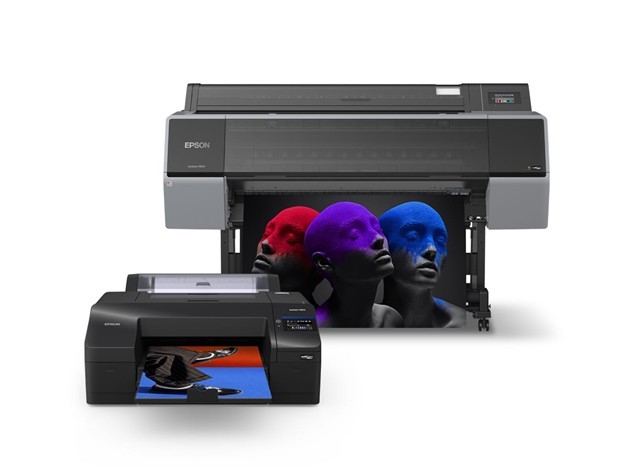
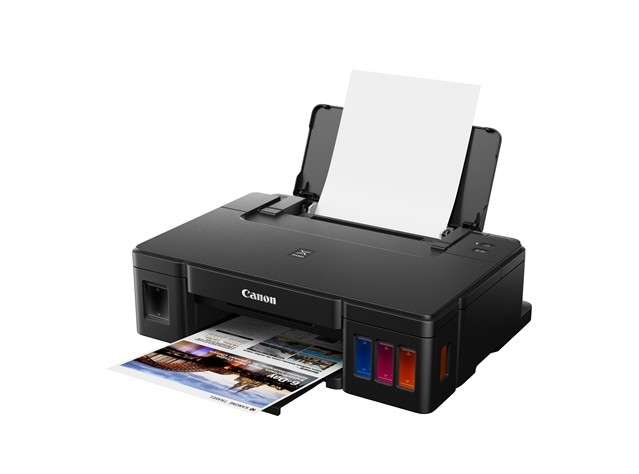
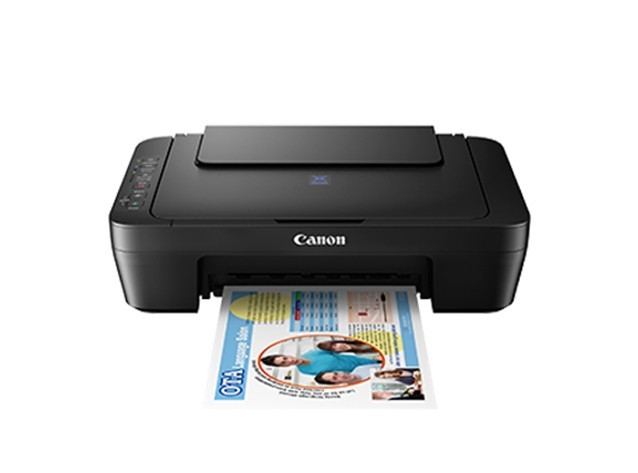
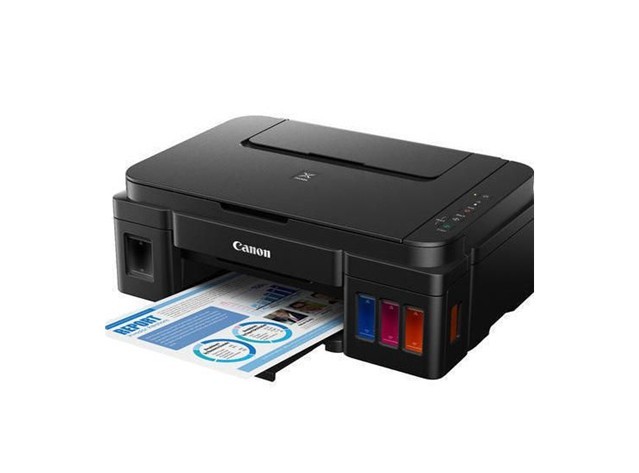
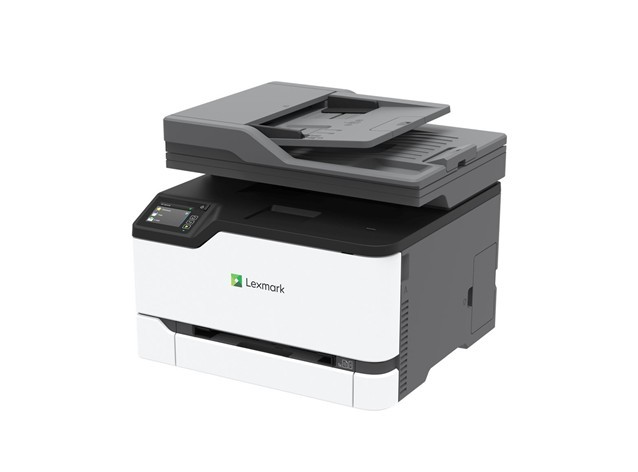
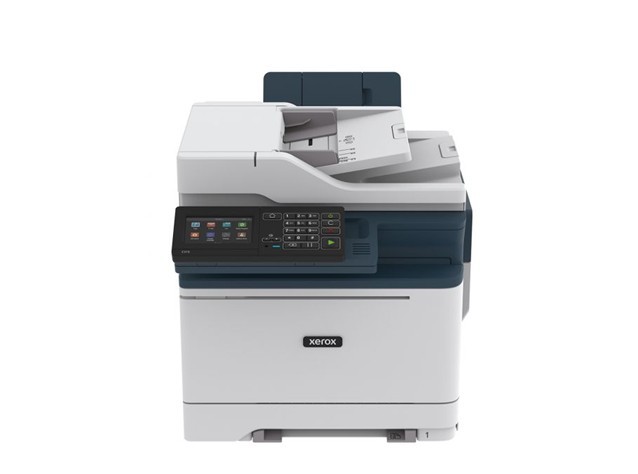
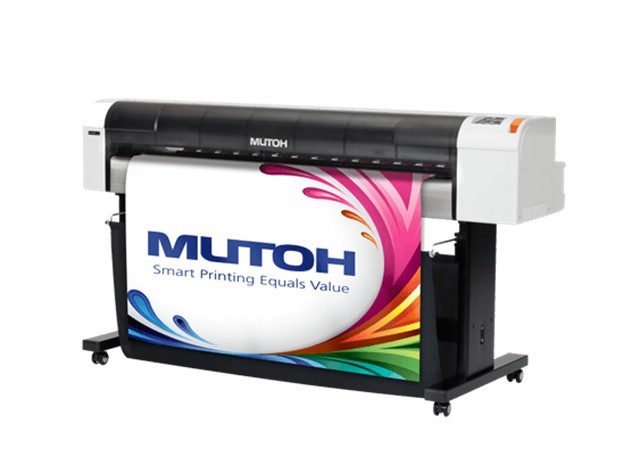
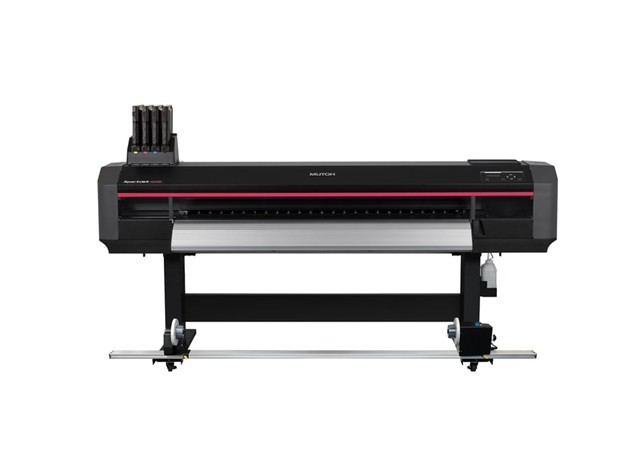
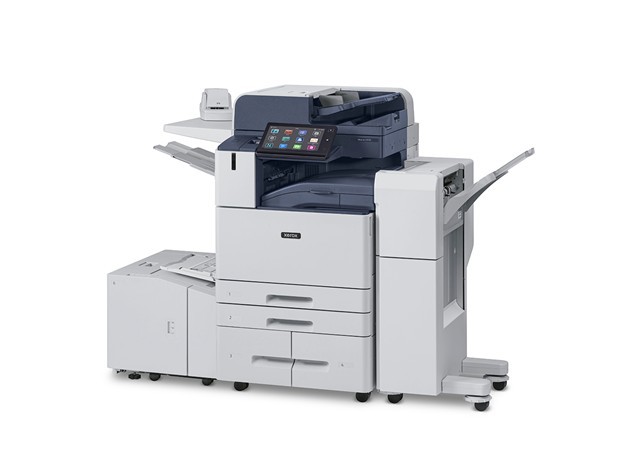
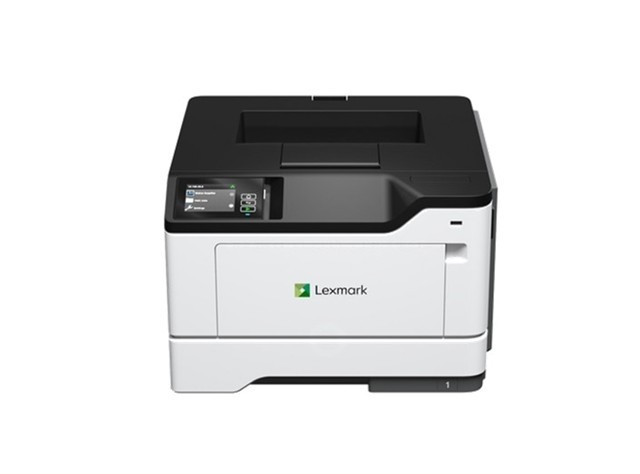
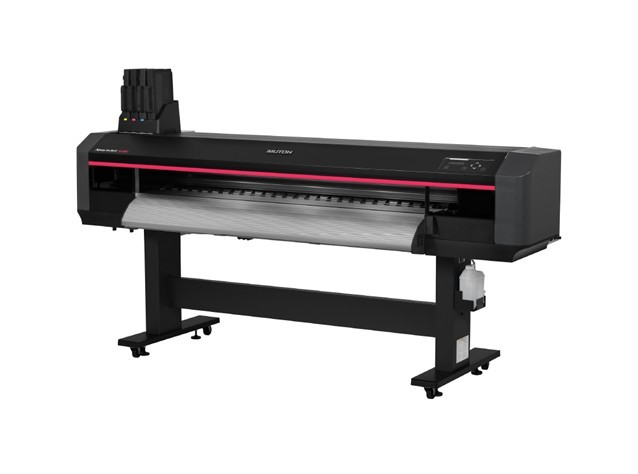
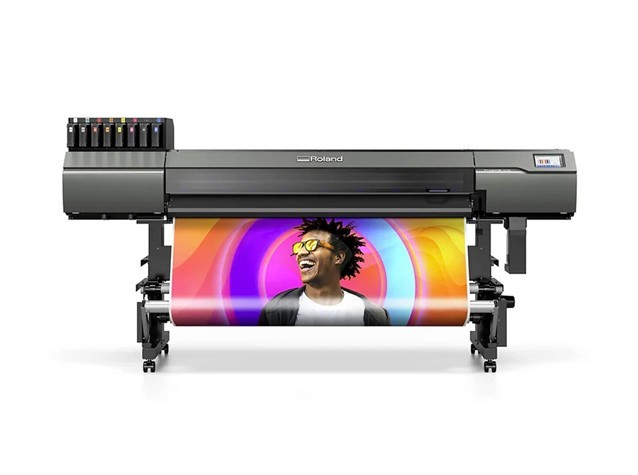
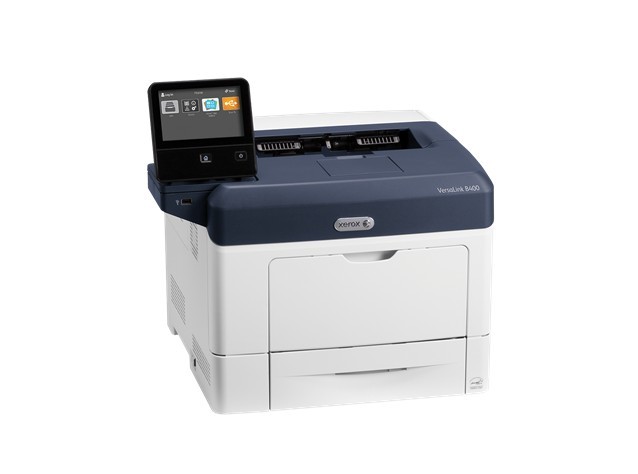
- Printers & Plotters: Laser printers, multi-function office printing stations, and wide-format blueprints plotters.
- Projectors & Smart Displays: Audio-visual display projection components for conference spaces.
- Speakers & Headphones: Wired and wireless audio monitors or office headsets optimized for calls.
7. Power, Infrastructure & Enclosures
- Uninterruptible Power Supplies (UPS): Backup battery architectures keeping servers running during unexpected blackouts.
- Server Racks & Cabinets: Standardized structures (like 19-inch racks) for securely enclosing enterprise computing components.
- Cabling & Connectivity: Fiber-optic lines, Ethernet cables (Cat6/Cat6a), display patch cords (HDMI/DisplayPort), and data transfer leads.
- Docking Stations: Hub adapters linking single laptops to multi-display office spaces.
If you are researching this for a specific project, let us know if you need help finding enterprise options, comparing component specifications, or looking up estimated pricing ranges for a business setup/project.